‘We think whatever we see is– something we see is reality, but it is not so. And what we feel is reality, but it is not so. The reality and something which is observed by our six senses is one, you know. So what– what we see– just what we see is not true without background of the reality. I will stop [laughs] this kind of, you know, interpretation.
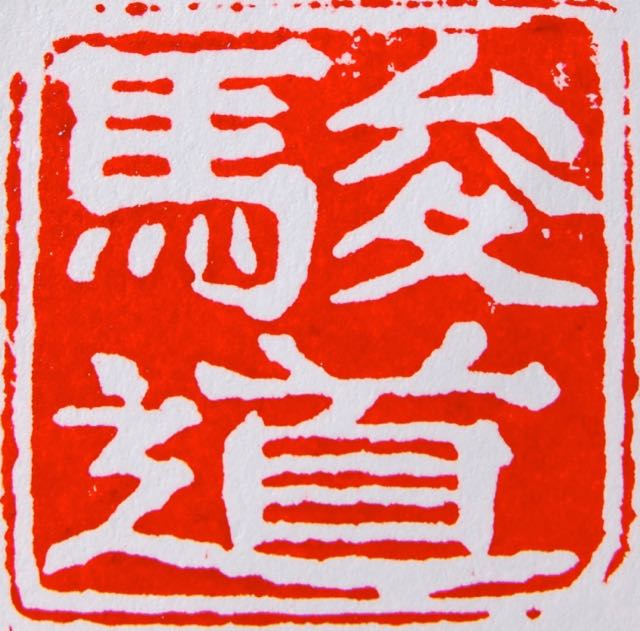
Dogen Zenji found out a very good Chinese word to express this kind of truth. In Chinese– Chinese word [is] inmo– inmo– or I don’t know– know this– how they pronounce it. But inmo– inmo has two meaning. One is positive meaning: “suchness,” you know. The other is the interrogative meaning: “What is it?” [Laughs.] What– what is inmo? How is inmo? You know, what is it when geese [laughs] came? Horsemaster asked Hyakujo, “What is it?” That “what,” you know, what is inmo. Inmo is interrogative, and it is affirmative too.
This is very convenient word to express the reality. Everything is one side– in one sense it is suchness. On the other hand, it is not– it is something in– it is something which we cannot grasp. For an instance, you know, here is beautiful flower, you know. You think here is beautiful flower, but that beautiful flower is always changing [laughs]. You cannot grasp it, even while you are watching the changes. So you think you see it, but actually you didn’t see the flower itself which is changing.
So everything is in one side something which is– which cannot be grasped, so “What?” The– on the other hand, you know, even for a while it is there in that way. And so it is– everything is suchness, and everything is ingraspable– cannot be grasped. So it is “What?” So inmo– the word inmo has two meaning, and Dogen Zenji found out this is very convenient word to express the reality.’ (from the Suzuki Roshi Archive)

 Shundo David Haye - Zen Priest
Leave a comment