
Upcoming dates:
October 23rd, 24th, 30th.
November 13th, 14th, 29th.
The Meetup page and the Instagram page will have the latest news if there are any changes to the plans, especially once we get into the rainy months.
All weekend roams start at 1:30, lasting around three hours, and Friday ones at 3:00, generally taking two hours. All roams are loops unless otherwise stated; I also flag any longer or especially hilly routes.
Please not that the Angel Island day out has been postponed, since it was due to co-incide with the last day of Fleet Week – not conducive for a meditative outing. It will now be on November 22nd. Details are here.
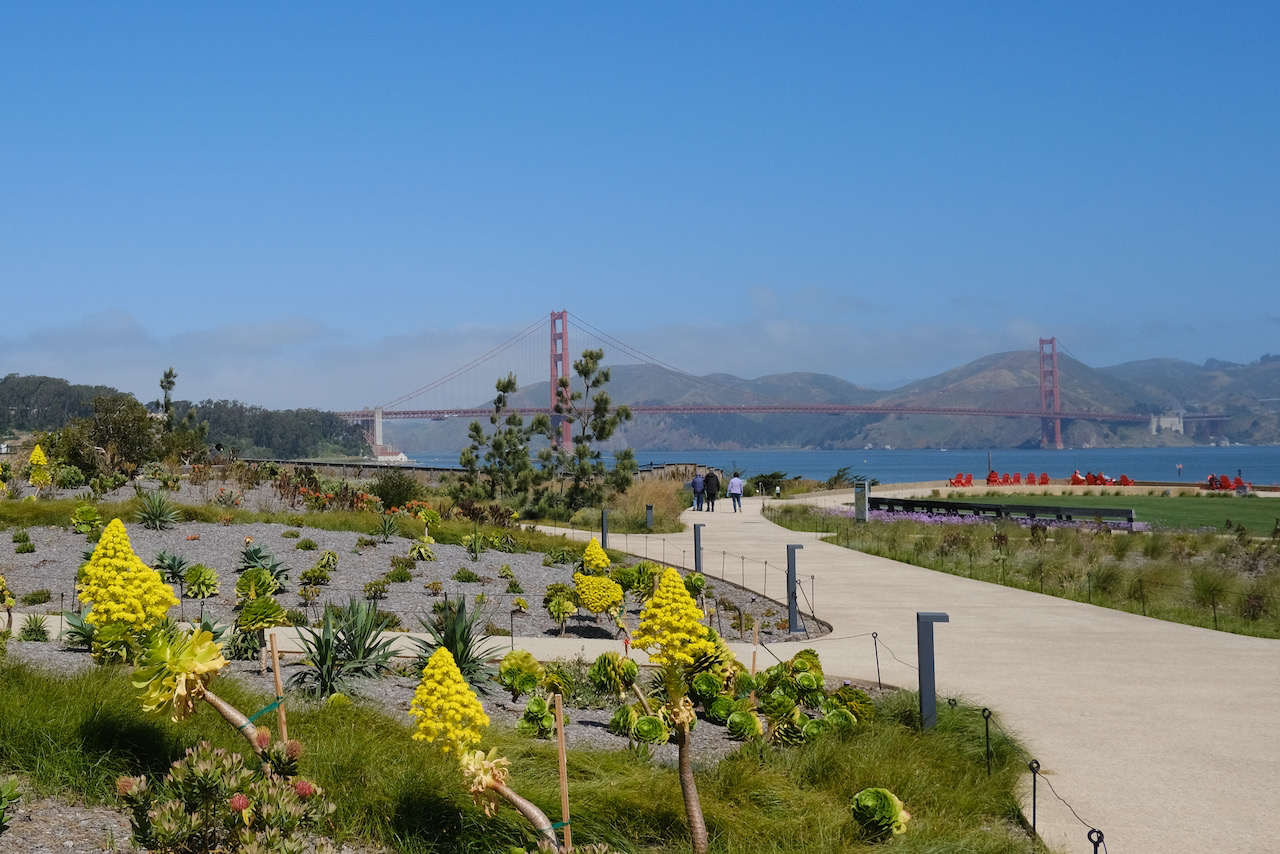
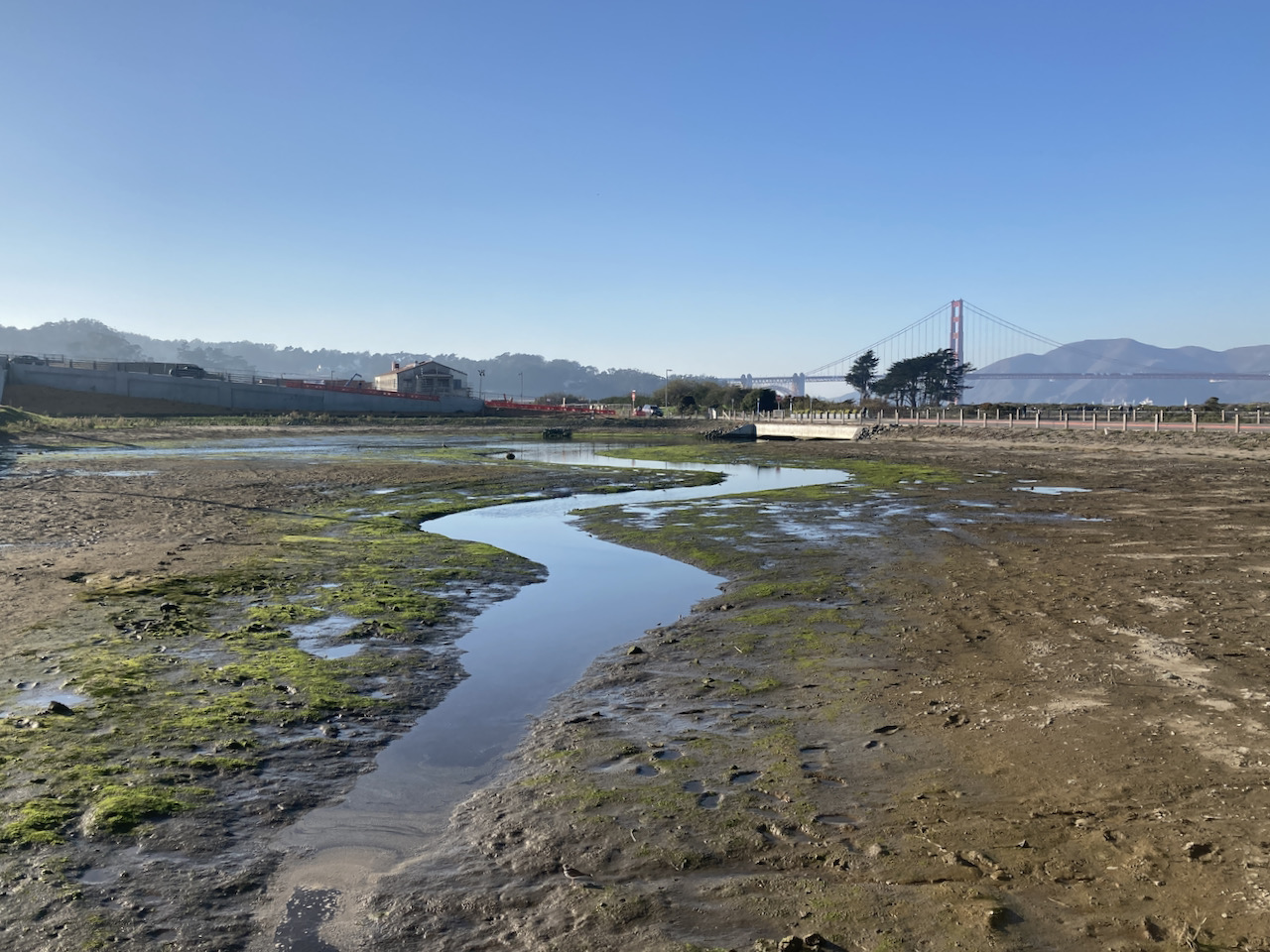
Presidio’s Tunnel Tops is no longer the new kid on the block, but it is still a magnificent space with world class views. This Friday roam on the 23rd will take us down from there to the waterfront, and along to the wave organ, another remarkable space to sit and enjoy the elements. We will return on an inland route, through the gardens and back ways of the Presidio.
This is almost completely flat, but we will probably walk along the sand for a part of the time. We meet beside the Visitors’ Center in the Presidio, on the side away from the bridge and closer to the bathrooms.
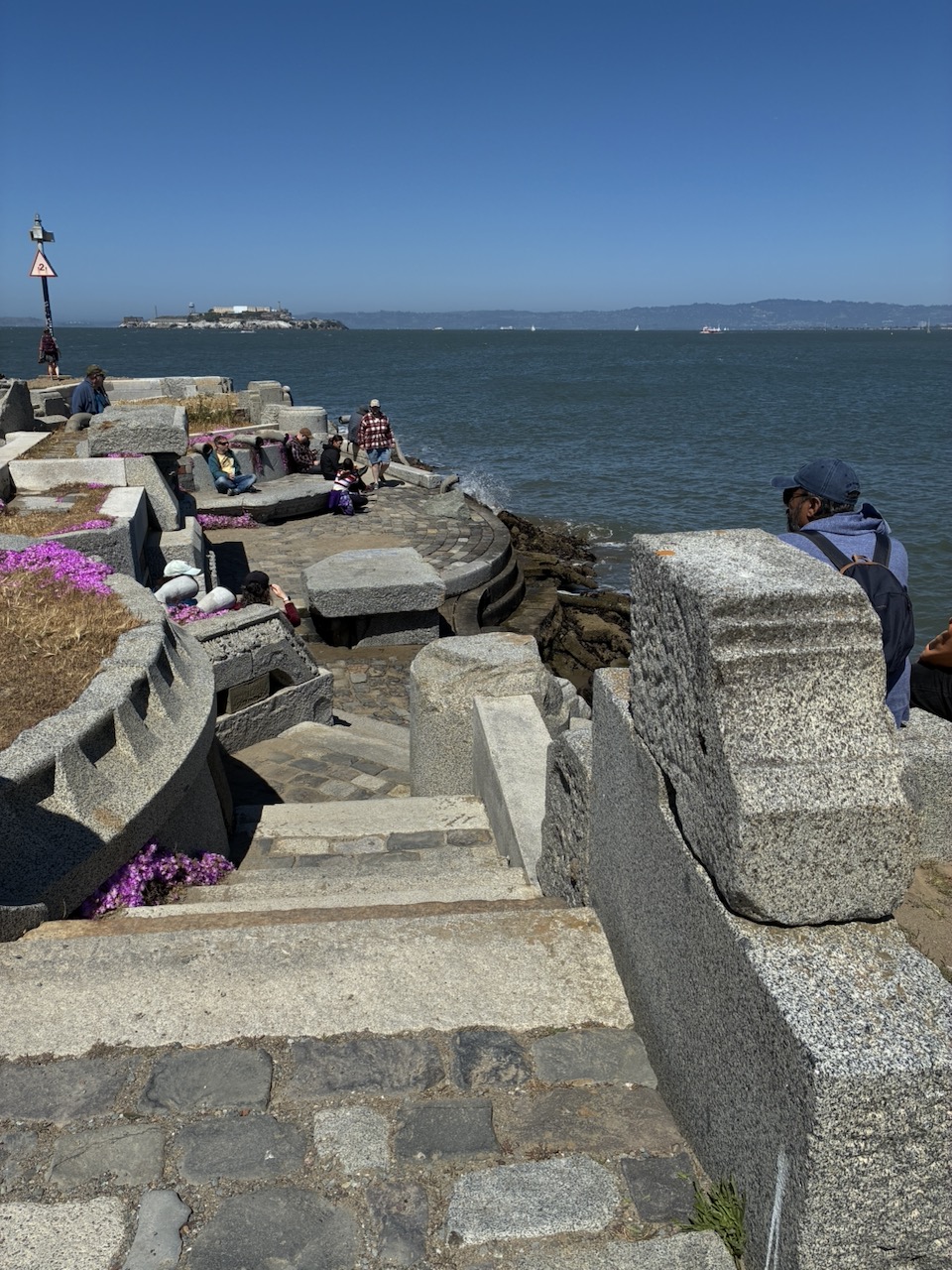
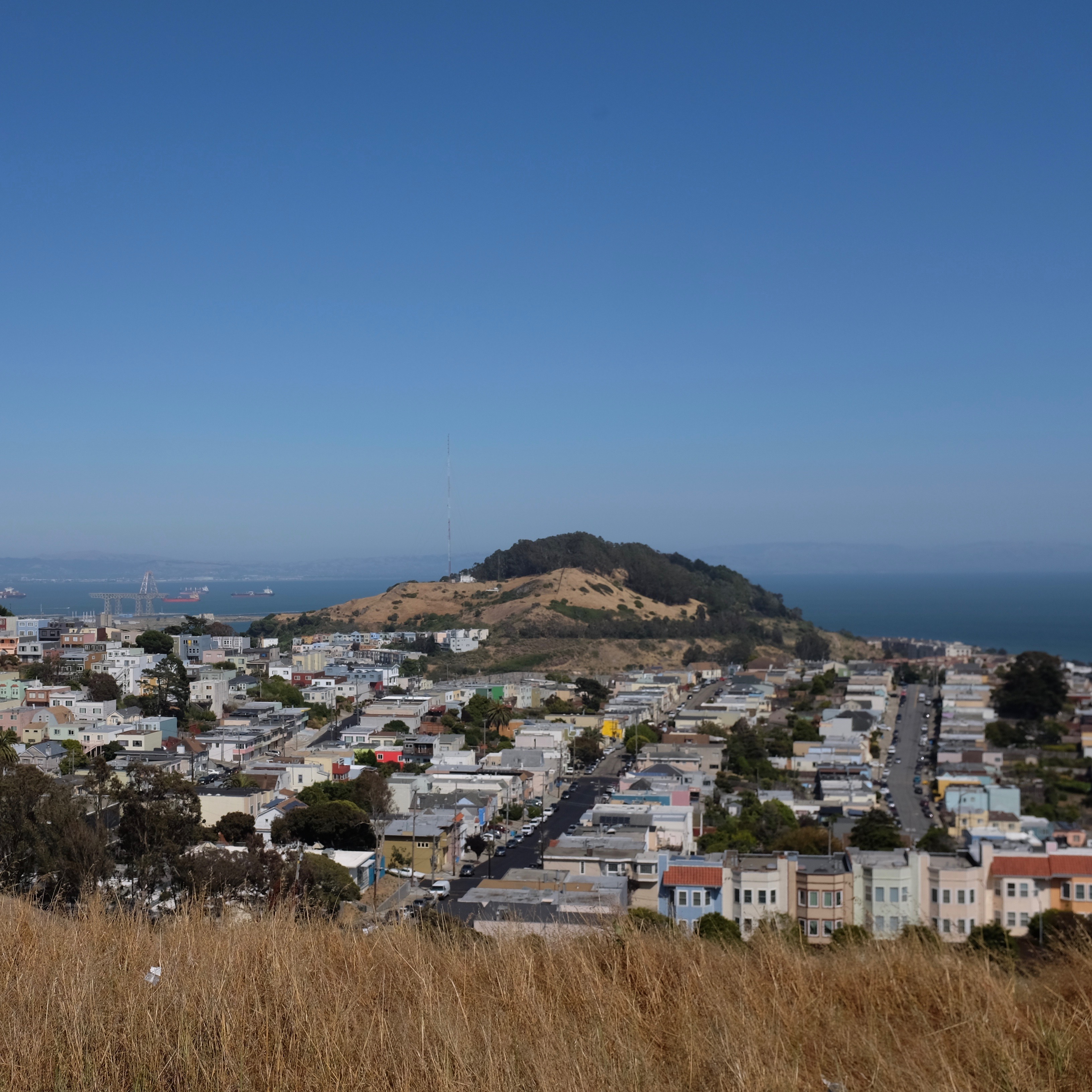
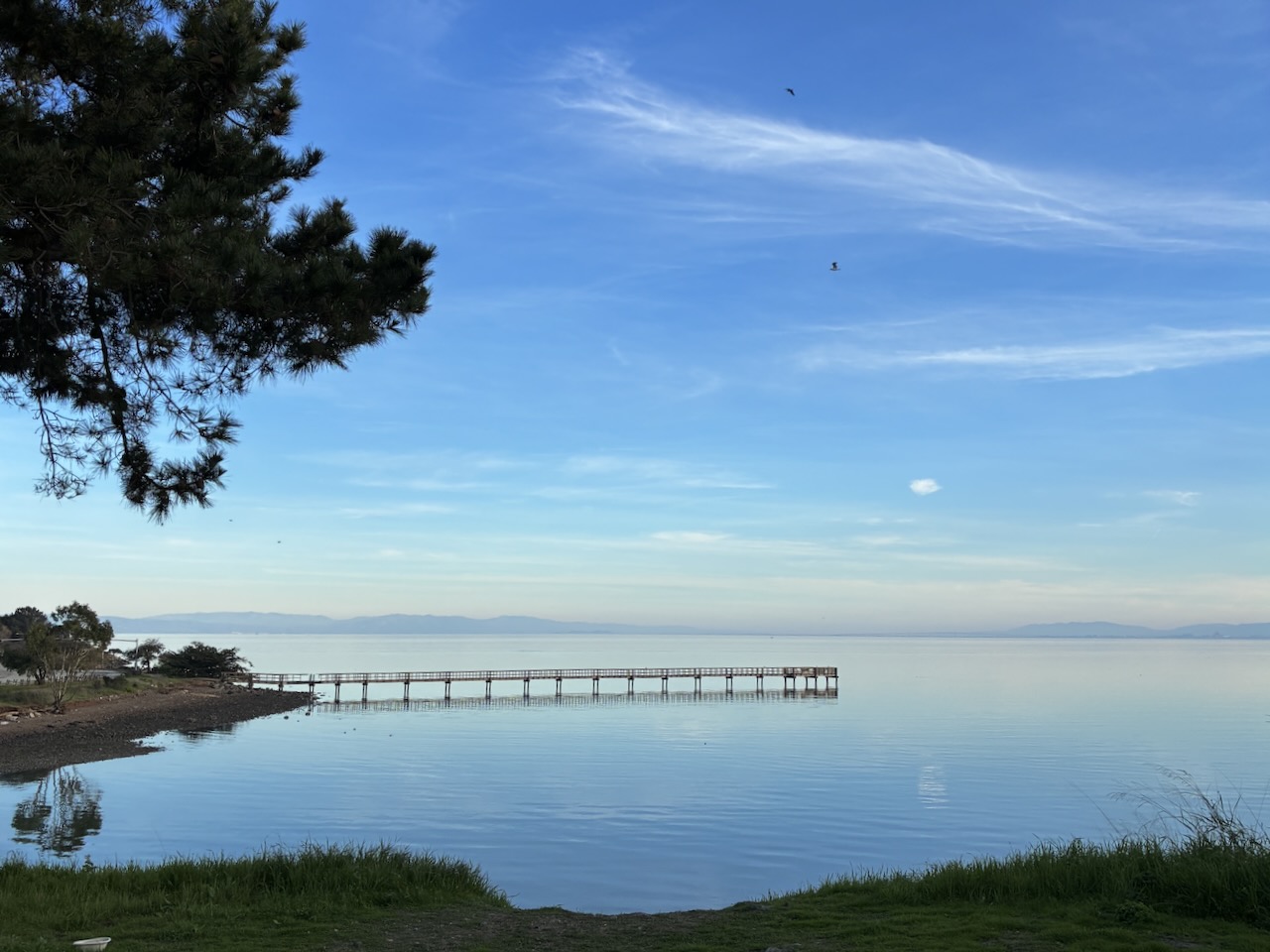
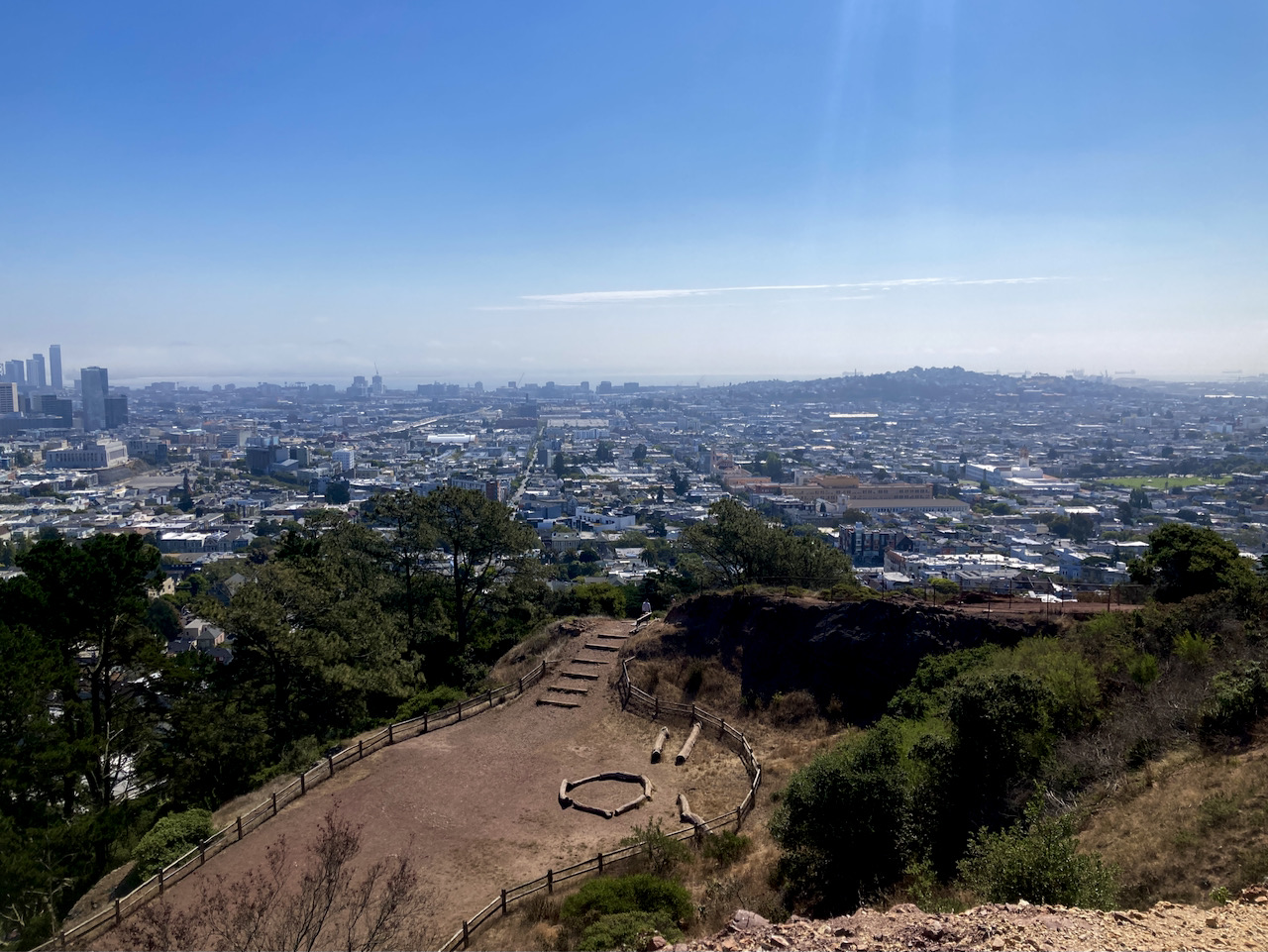
In January we had a wonderful sunny winter afternoon exploring Candlestick Point in the south east of the city; thanks to an initial suggestion from a regular, we have climbed Bayview Hill three times over the years now. As we were in the area on January, I pondered combining the two features, and that is what we will do on the 24th.
Meeting at the Visitacion Valley Library, we will explore the Greenway, climb the hill, enjoy the views, and then follow the water’s edge on the way around the Point. There is some gentle climbing to get us going and one steep climb to get up the hill, plus some dirt as we go around the park. This may be a little longer than most roams as well.
I originally intended this roam to be on the 31st, but I have been asked to officiate a wedding that day, so this will now be a Friday roam, with hopefully the same amount of Hallowe’en decorations on show.
I thought of reviving a route we have taken a couple of times to explore four parks around the panhandle, which will take us past perhaps the most famous decorated house in the city – one that has inspired some of its neighbours to step up their game as well.
We will meet at the McKinley monument across from the DMV on Baker between Oak and Fell, and tackle a few climbs and dirt paths on the way around.
I will be in the UK for the first week of November, celebrating my best friend’s wedding, so the first roam of the month will be on Friday 13th.
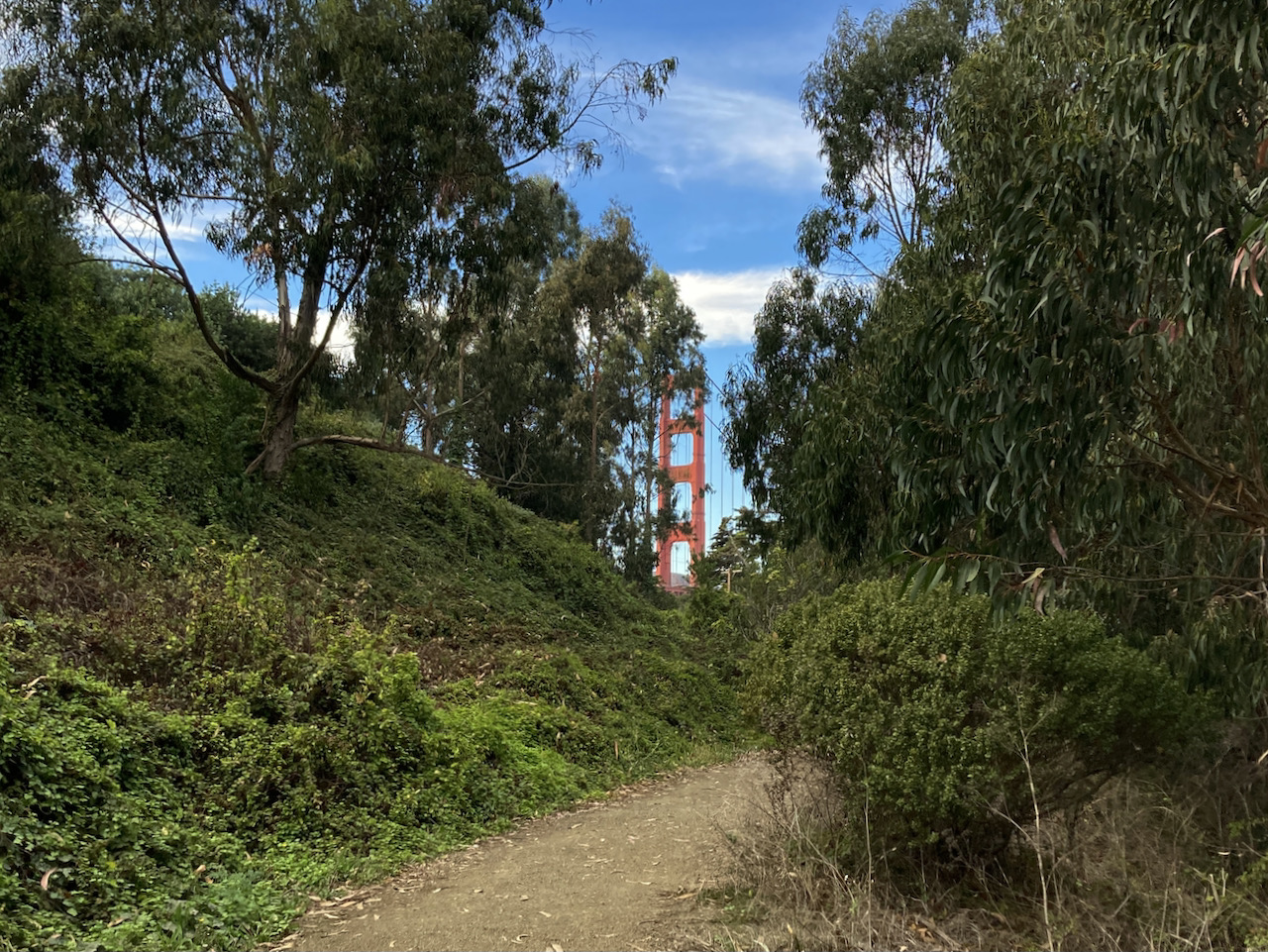
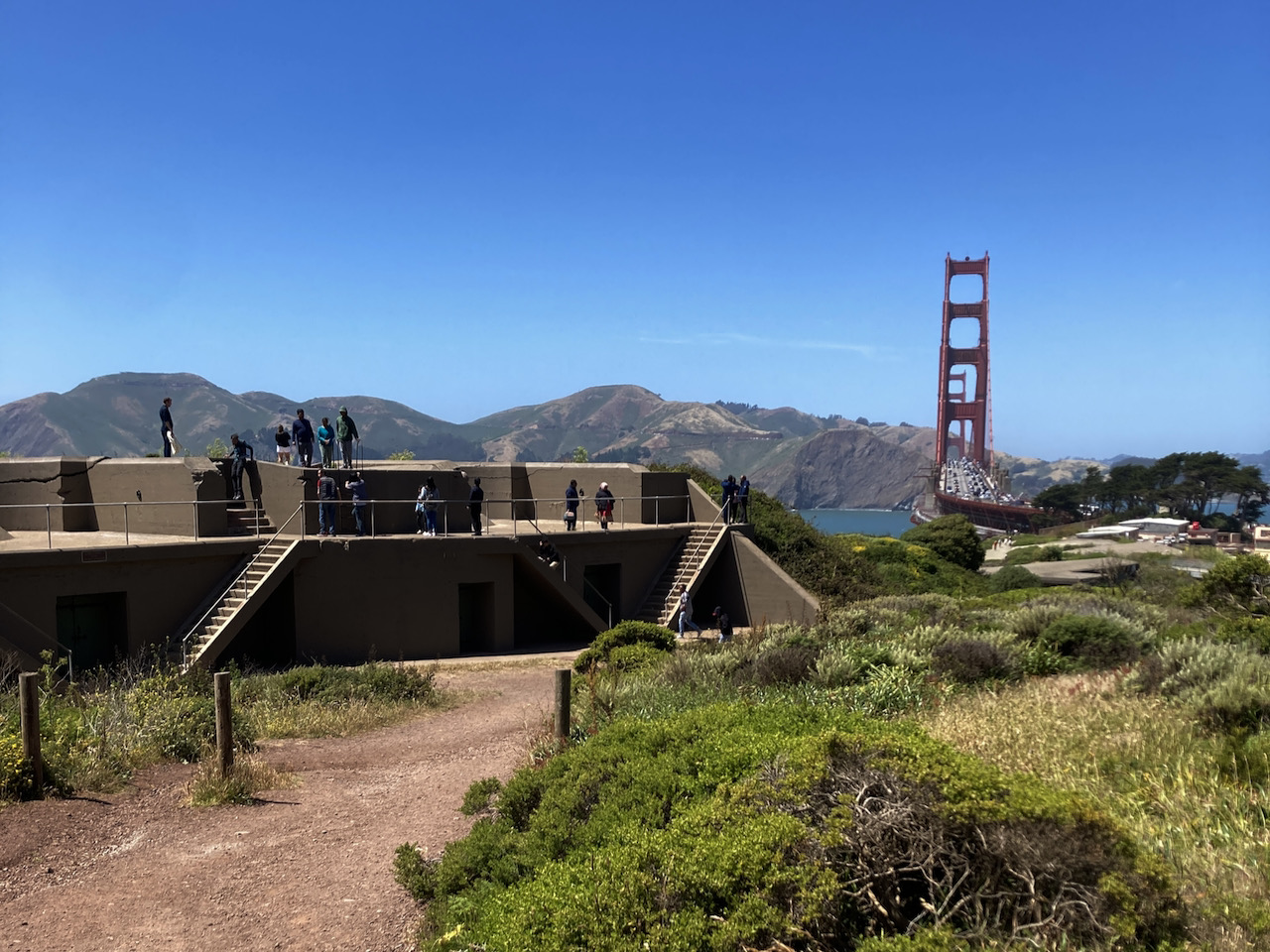
The Golden Gate Bridge occupies a special place in the iconography of San Francisco. This roam will not take us over the bridge, but around the approaches, checking out various little spots within the Presidio. We will do some climbing to get close to the top of Rob Hill, and there will be plenty of dirt tracks – and maybe a little off-roading.
We will meet beside the Warming Hut at the west end of Crissy Field, at the benches away from the bridge.
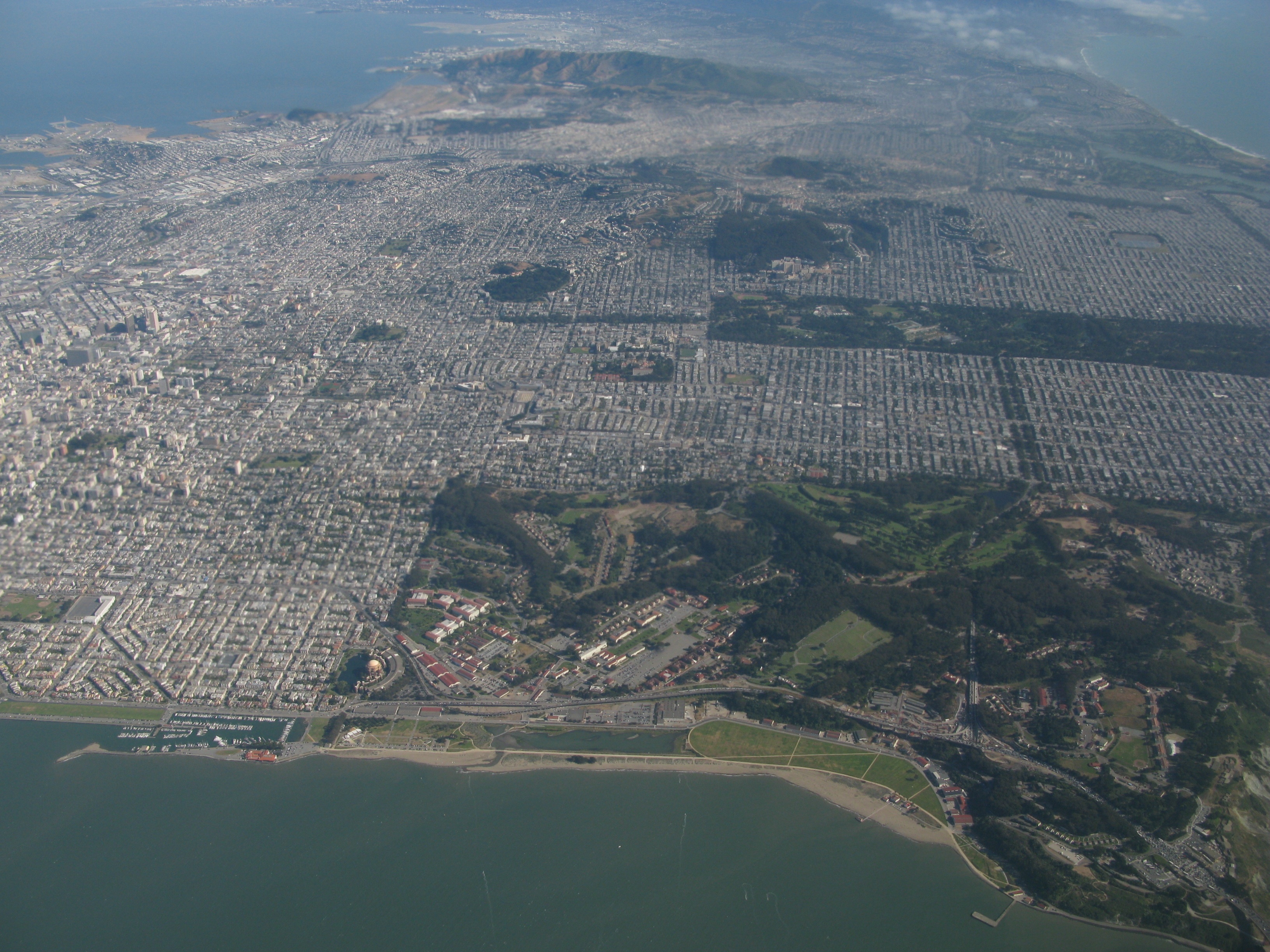
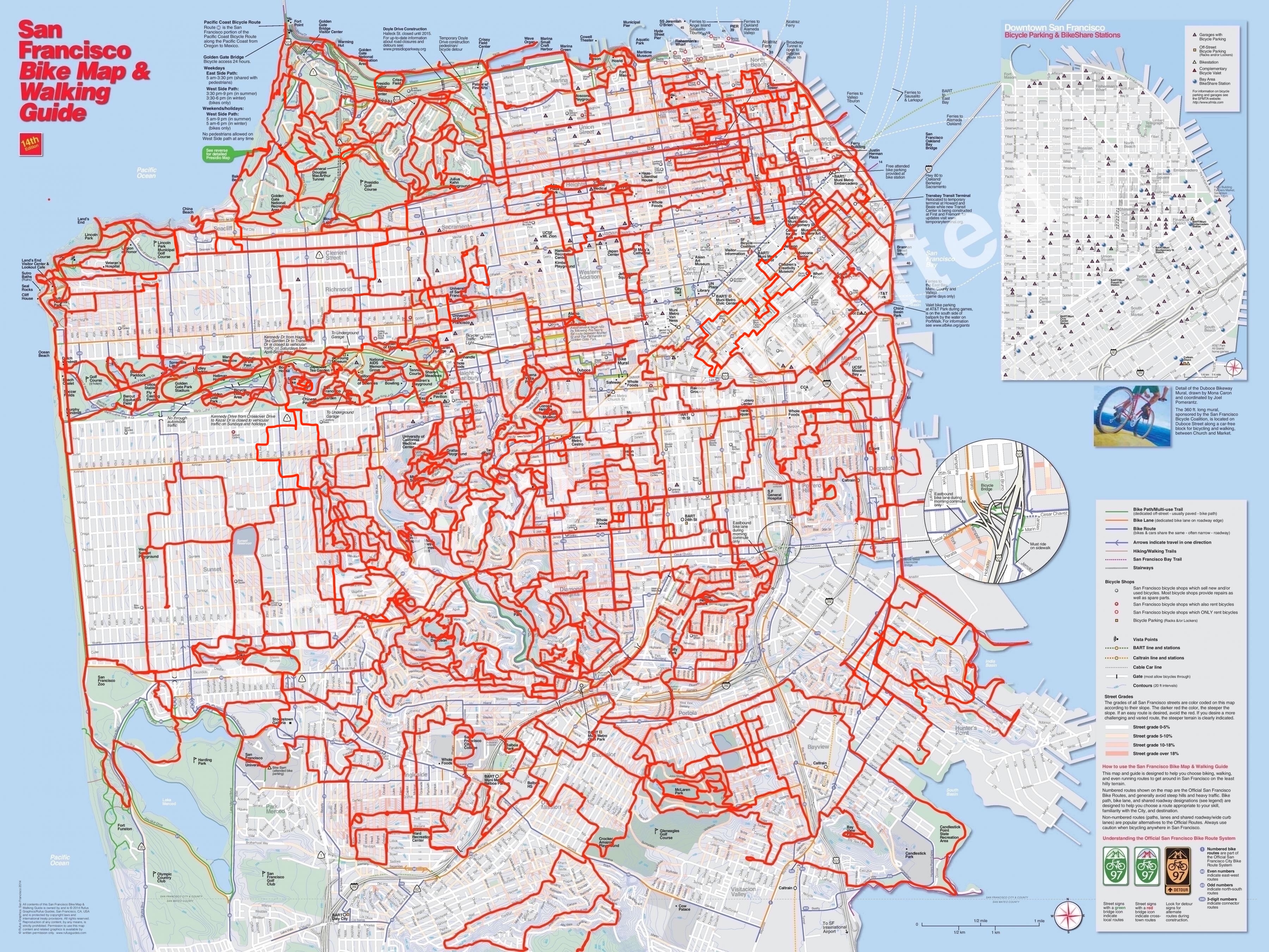
Not so long ago I had in mind to roam along individual avenues as they traverse the city from the Richmond to the Sunset. We will aim to do at least three of these over the course of the winter, and I wanted to start with the avenue that is not 13th: Funston.
It would have been fun to do this one-way roam on Friday 13th, but it is too long for a Friday roam, and perhaps doing it on the 14th will be a way to soothe those of a superstitious disposition.
This roam will start from Mountain Lake Park – we will meet at the playground bathrooms – and end at West Portal. Along the way we will be alongside Park Presidio Boulevard (the green strip connecting the Presidio and Golden Gate Park in the photograph); looping through the park; and ascending to the top of Golden Gate Heights, with an optional sand dune excursion on the way down.
The latter half of this route will include some stairs and steep blocks, and there will be some dirt paths along the way.
Bring water, snacks, and layers for whatever the weather is doing. Punctuality is always appreciated.
These roams are offered by donation. They are one way I am able to afford to live in San Francisco.
‘Shundo David Haye has probably walked through more parts of San Francisco than you have.’ I’ll take that endorsement – it came from this nice article in the SF Chronicle at the beginning of the pandemic
Camille, who I have known through Zen Center for more than twenty years, had a lovely piece on Roaming Zen published in the Bold Italic.
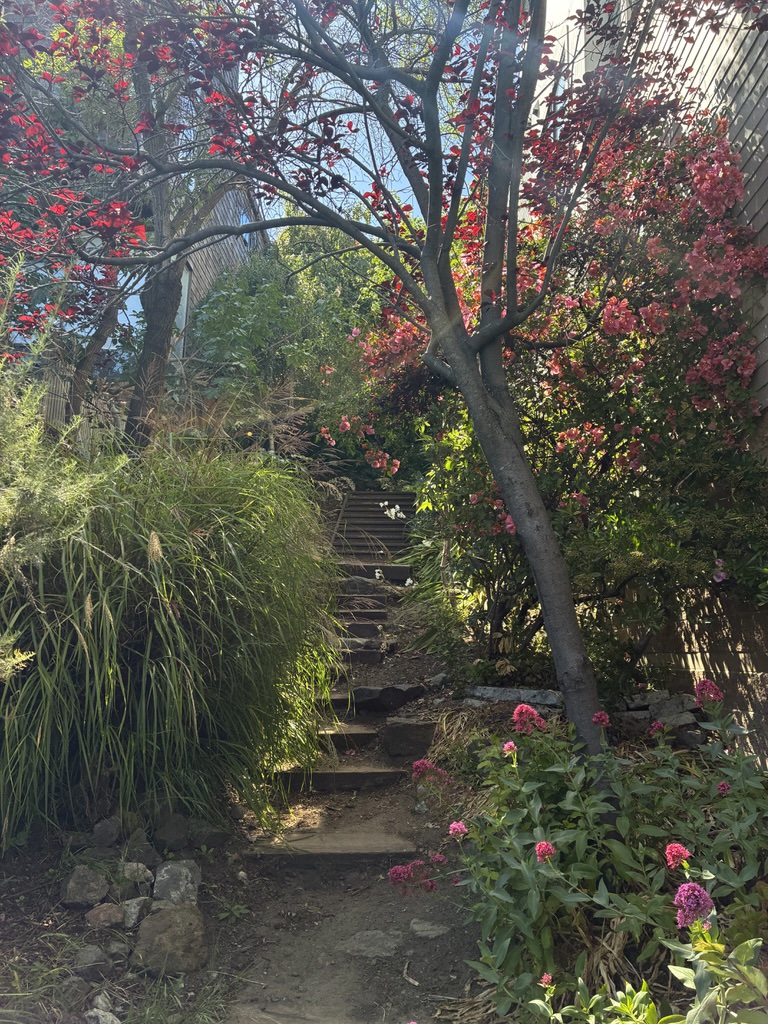
 Corona Heights – the first picture I used to promote Roaming Zen in 2016.
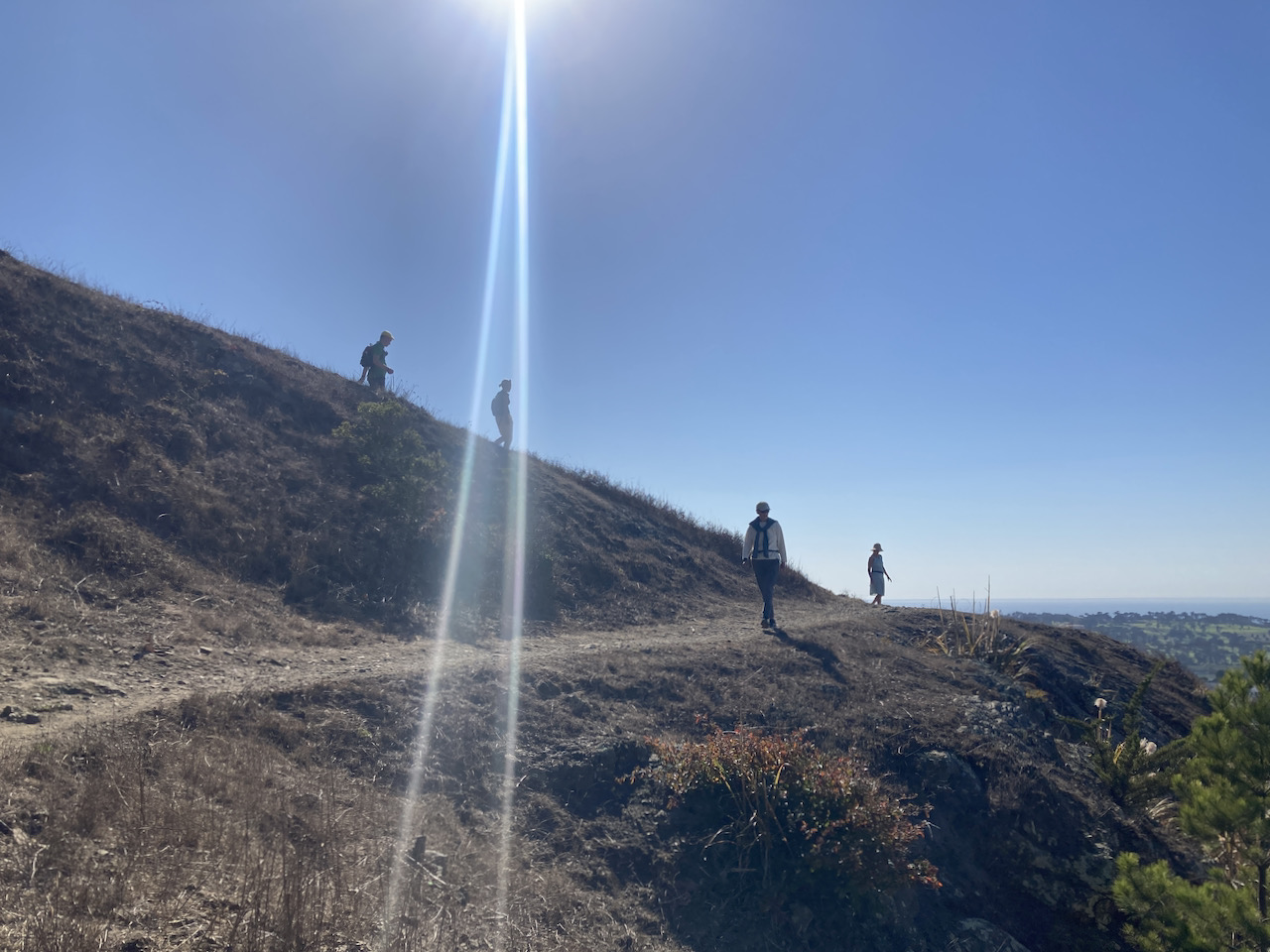 Views to the Farallones from this little-known park.

If you need some prompts as to the benefits of roaming, here are a trio of articles from the Guardian:
Two-hour ‘dose’ of nature significantly boosts health – study
Woodland sounds help relaxation more than meditation apps – study
Blue spaces: why time spent near water is the secret of happiness
All of which is achievable without leaving the city limits!
And this from the New Yorker:
A small but growing collection of studies suggests that spending time in green spaces—gardens, parks, forests—can rejuvenate the mental resources that man-made environments deplete. Psychologists have learned that attention is a limited resource that continually drains throughout the day. A crowded intersection—rife with pedestrians, cars, and billboards—bats our attention around. In contrast, walking past a pond in a park allows our mind to drift casually from one sensory experience to another, from wrinkling water to rustling reeds.
Or, to put a name to it, Attention Restoration Theory.
The genesis for Roaming Zen was perhaps my shuso practice period at Tassajara in 2012, where I noticed that I derived as much energy from being on the trails or up the road, among the trees and by the creek, as I did from the hours in the zendo. It was also crystalised by a visit to Tassajara with a group from Young Urban Zen a year or two later: after the days of work, a group of us set off for a hike along the Horse Pasture trail, and at one stage, hearing all the talk of people’s pre-occupations and mundane affairs, someone in the group asked if we could all hike in silence for a while and properly take in the surroundings. Afterwards, the agreed verdict was that the silence had transformed the hike.
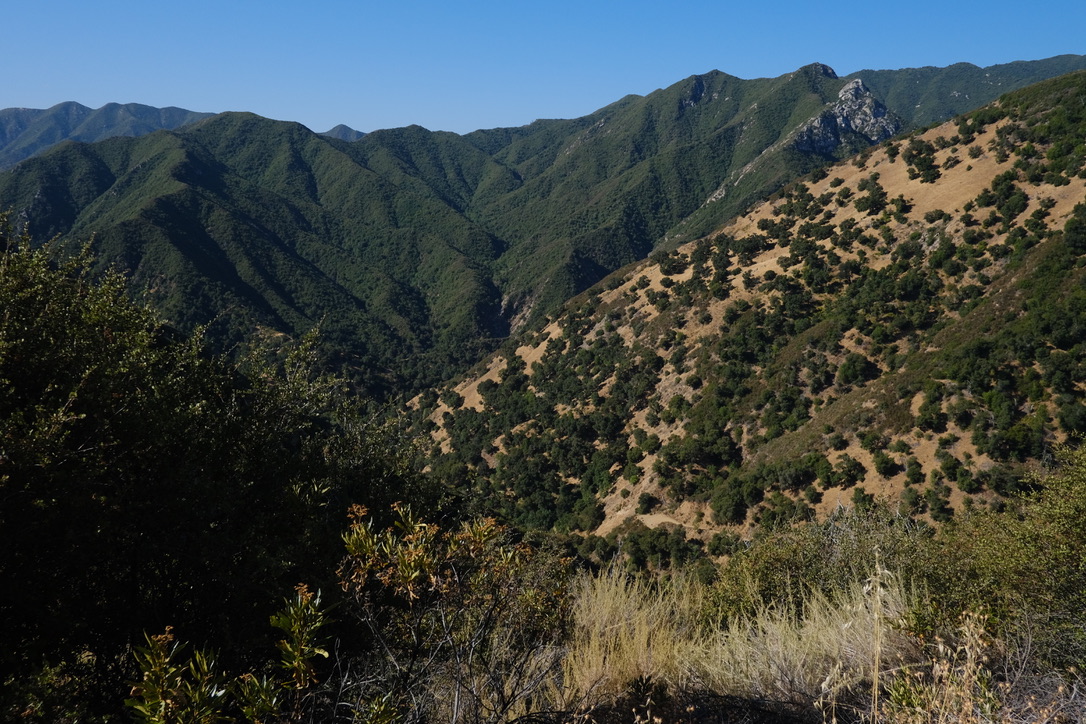
And so, having tried versions of it at City Center, Green Gulch and Tassajara, one of my favourite things to do these days is to gather a small group of people, and lead them around a chosen route, cultivating mindful presence through walking and sitting quietly in the midst of city life.
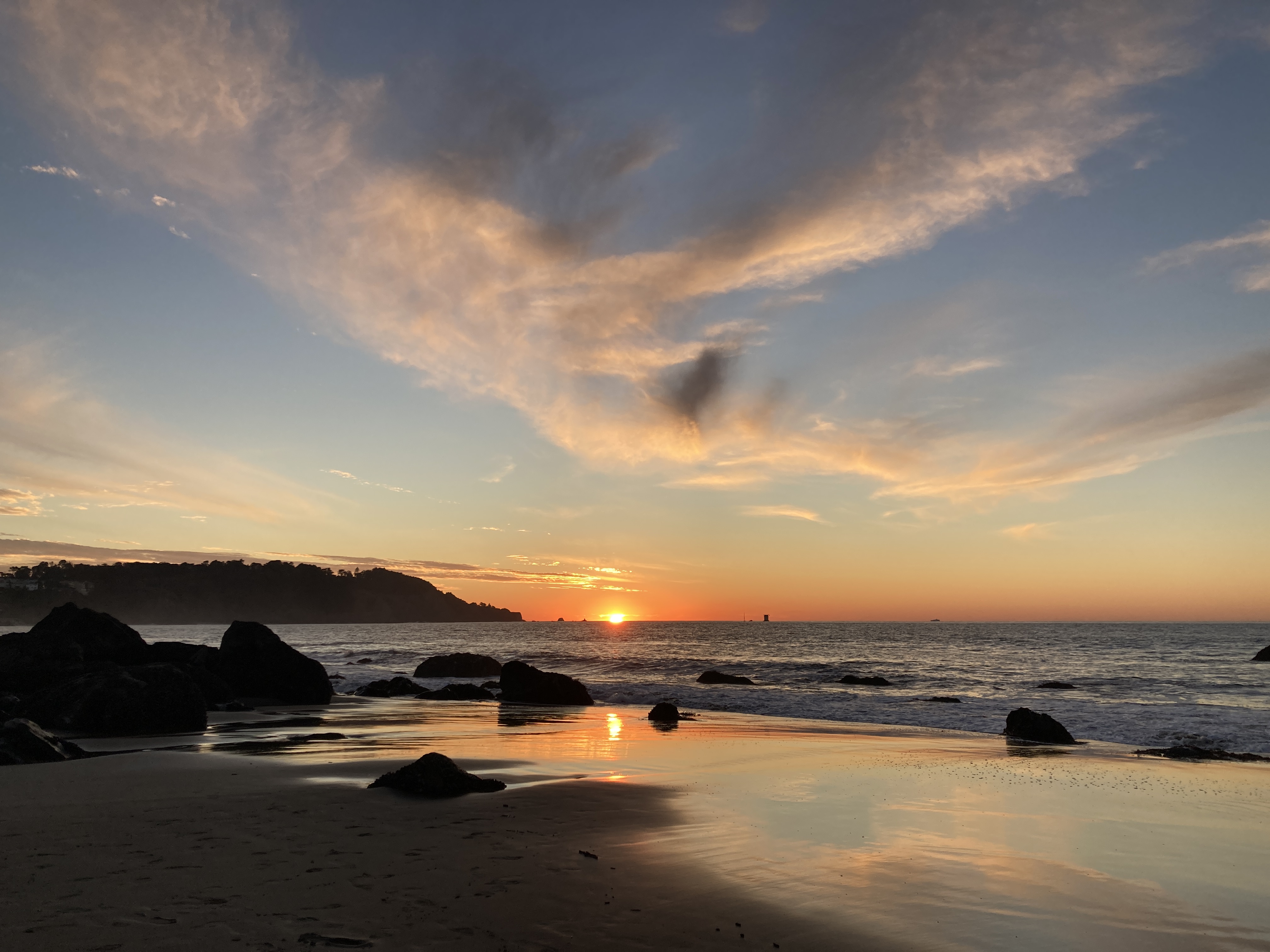
There are so many little corners of San Francisco that lend themselves to the activity, surrounded by beauty, views, and sometimes quiet. We have visited forests, hills and canyons, creeks and beaches, staircases and alleys, lakes and hidden parks; we have listened to birds and waves, watched butterflies, bees and coyotes, smelled flowers and ocean spray. We have looked over all sides of San Francisco and to the mountains beyond.
I like to give credit to OpenStreetMap, for featuring much more detail in paths and trails than I ever get from Apple Maps or Google Maps – I would not have found some of these routes without it – and FoundSF/OpenSF History for filling me in on what used to be in the places we visit.


