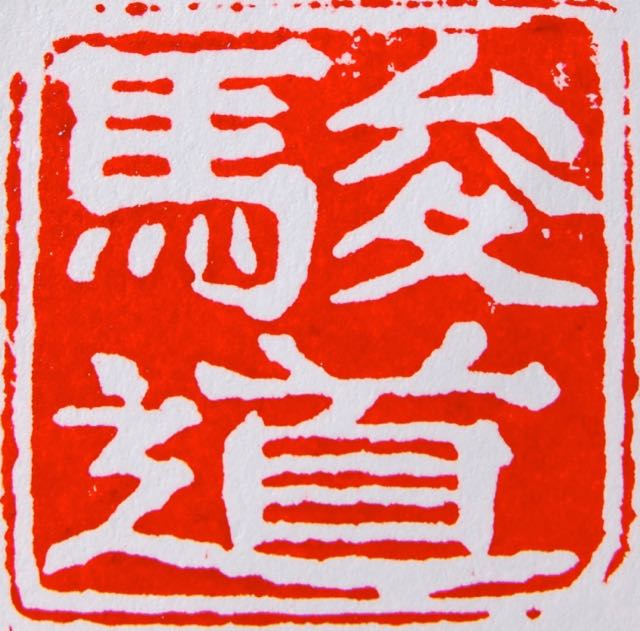
‘In the Shobogenzo, in the fascicle of Sokushin Zebutsu – what is “Mind Itself is Buddha.” What is mind, and what is Buddha. And in conclusion he says, “Mind — Mind is Buddha, and Buddha is Buddha, and Is is Buddha. Is — Buddha is — Mind is Buddha. Buddha itself is Buddha.” There’s four characters: “Buddha” “Mind” “Itself” “Is” — oh — four. Mind itself is Buddha. And he says, “Mind is Buddha, and Is is Buddha, and Itself is Buddha. Buddha is Buddha.” [laughter] Do you understand this riddle?
When we say “Buddha,” there is no need to say, ” Is” or “Mind itself.” “Is,”– when we say “Is”, “Is” is being, or suchness or thusness. Being is Buddha. Being — something which exist as it is, is being. Something in the course of formed and forming. In the past it is form, in the future it is — in the present it is forming. Those being is Buddha, actual being is Buddha. Reality is Buddha.
And “Itself” is Buddha. When you understand something through and through, that is “Itself.” If you understand suffering through and through, that is Buddha. There’s no other Buddha. All the rest of Buddha, including Shakyamuni Buddha, is included in that “Itself.”
If you pick up one thing, it negates all the rest of. Negate is not — may not be good word. You can say, “include.” It is like a handle of something. If you take hold of something, you have other — all the machine. If you drive a car, by handle, [laughs] a miracle (?), it means you have your own — all the — all of your car. If you point at one point of the earth, you know, you point at whole universe. Whatever it is, it doesn’t matter.
So, “Itself” means, because you compare one thing to the other, in materialistic way, you are caught by idea of freedom or idea of restriction. But if you have this kind of understanding of reality, all the being, all the “Is,” something what is, is Buddha.
So, Buddha is — “Itself” is Buddha, and “Mind” is Buddha. And “Is” is Buddha. “Being” is Buddha, and Buddha is Buddha. Buddha is, of course, Buddha – although we don’t know what it is! [laughter] And there’s no need to know what it is, because we are Buddha! If so, what is the necessity for us to know who he is?’ (from the Suzuki Roshi archive)
The Cuke Archives site on Instagram has been featuring this talk from 1966 recently, and I have enjoyed reading how Suzuki Roshi was imparting to his probably unsuspecting students Dogen’s remorseless way of deconstructing language.

 Shundo David Haye - Zen Priest
Leave a comment