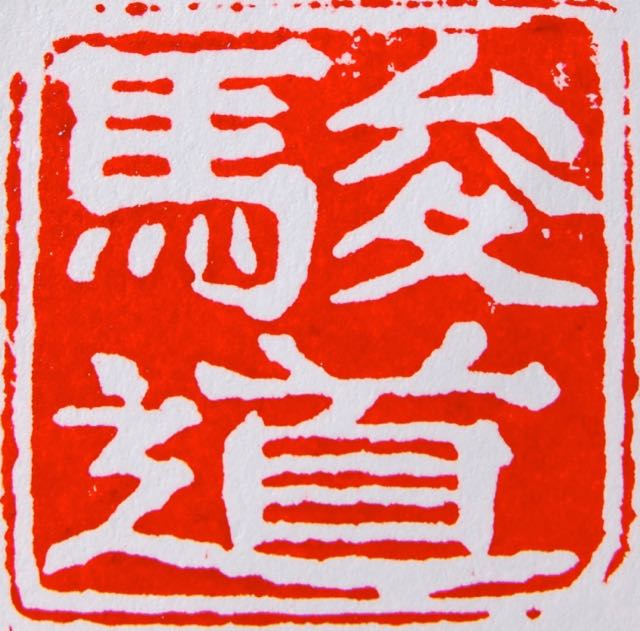
I finally did the maths, and, while I am here at Zen Center, between the ceremonies and services I do as part of the dharma transmission process, and the regular morning schedule, I clock up 232 prostrations in a seven-hour period between 4:30 and 11:30. Over the course of the three weeks, this is more than 4,500 prostrations.
Last week I was chatting with a senior priest, who recounted how during dharma transmission their teacher had spoken of all rites of passage as having an element of ordeal in them. Zen practice generally has much to do with how we deal with difficulties – physical or mental – and with our resistance to what it is that we might be doing at any one time.
It has certainly been hard on my body. Most notably, ongoing pain in my foot from the amount of weight-bearing flexing the toes I usually do when I am bowing. I ended up switching to going on one knee on the way down, and on the way back up, but each accommodation also causes strain, and I have to manage that, while trying to remain whole-hearted and elegant in each prostration.
Now I can feel that I am getting closer to the end; I only have a few more mornings when I will be woken up by an early alarm – something I rarely need in my ordinary life.
At least I have managed my sleep much better after the first few days of difficulty, though it still took several days to recover from the two occasions when I did two of the Bussorai ceremonies in one day. This ceremony has more than 150 prostrations; for the male ancestors, you go into choki (kneeling) to make the offering, then stand, prostrate, and stand again – for each one. For the women, I have been doing the prostrations directly from choki.
This ceremony is mentally challenging as well; it is easy to get distracted – how are my sleeves aligned, why is my zagu drifting to the right every time I bow – but I try to stay present and focused for each step, even as I know I have very occasionally gone astray from the forms or the names.
The weather has helped a fair amount; it has been largely foggy and dreary, though it seems we are moving back to warmer weather this week. I have rarely been as grateful for the chilly grey mornings, though I still overheat with all the prostrations, and end up with sweat soaking through all my four layers of robes. After borrowing a slightly lighter koromo, I asked someone if there might be a summer-weight koromo in the abbot’s closet, and was instead offered a light-weight one that this person had bought for the next time they were going to be at Tassajara. It was still wrapped up, and beautifully baste-stitched with all the folds in place, so I am the first person to wear it. I could not have been more grateful for that offering. It is one of many things I will be hand-washing next week. I am also deeply grateful for all the people who have given their time to ring the bells for the Bussorai, or got up early to help with the jundo around the temple.
My black okesa will also be getting washed, before being retired. It has had more use this month than at any time since I was shuso at Tassajara in 2012; most of it was sewn twenty years ago, and each time I put it on, I can see other places where stitches have been lost.
This week has also seen the start of the calligraphy process. I will write more about that aspect on my Patreon page on Saturday.
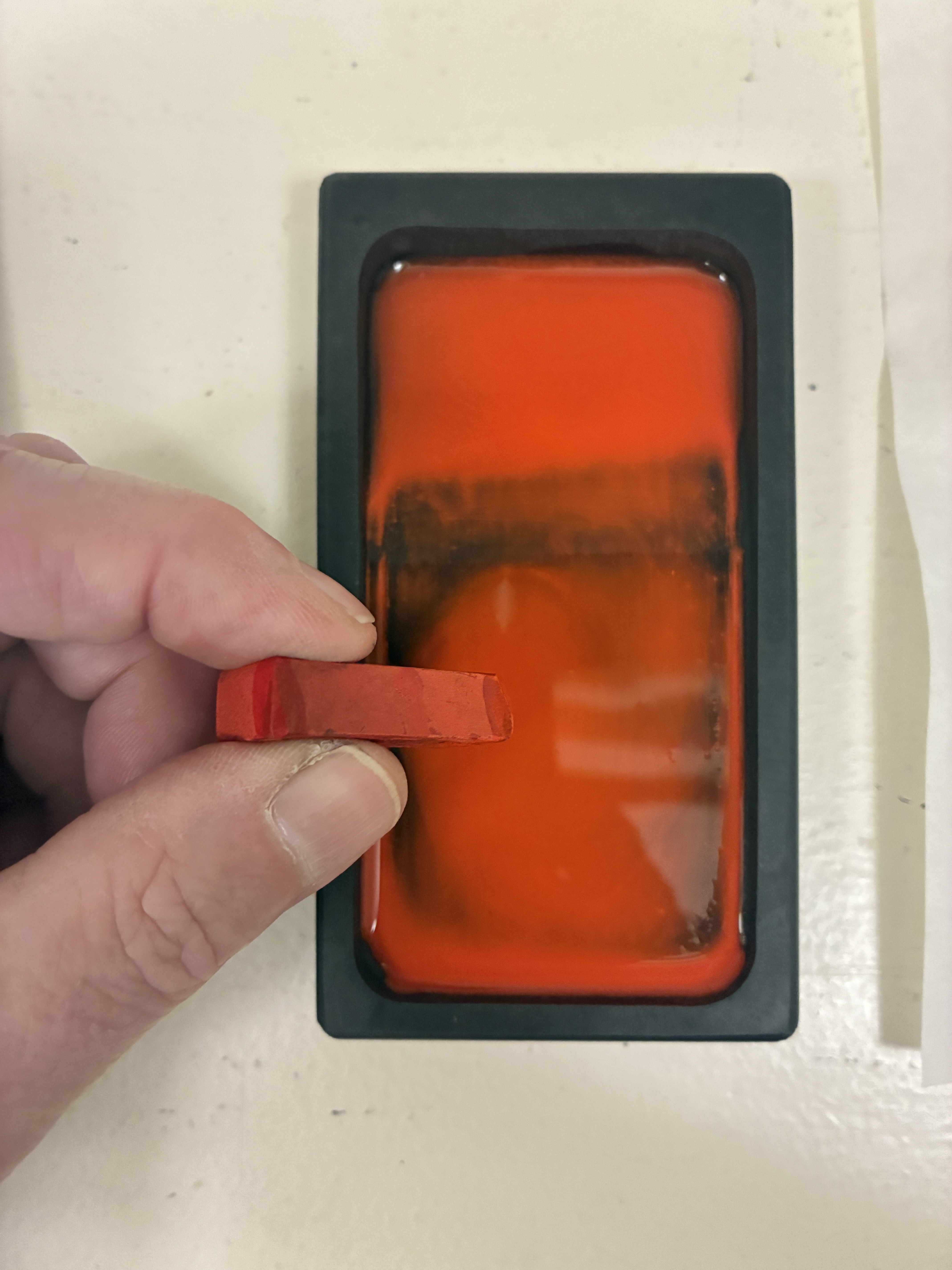
It also turns out that this is the 4000th post published on this blog, in just short of eleven years (WordPress helpfully keeps a tally). I hope that some of what I have quoted and published here has been helpful for your practice.
If there is one thing I have learned, it is that we never know the impact of what we do: on Tuesday night, Mike, one of the people who came to the very first Young Urban Zen meeting in 2011, showed up at Zen Center. We have been in touch over the years; he has connected me with several people who have become a part of my work life, and he helped set up a couple of teaching opportunities for me last year. While we were chatting Kevin appeared, another early YUZ attendee, who said that, after having that as his first practice experience, he has been lay ordained in the Plum Village tradition.
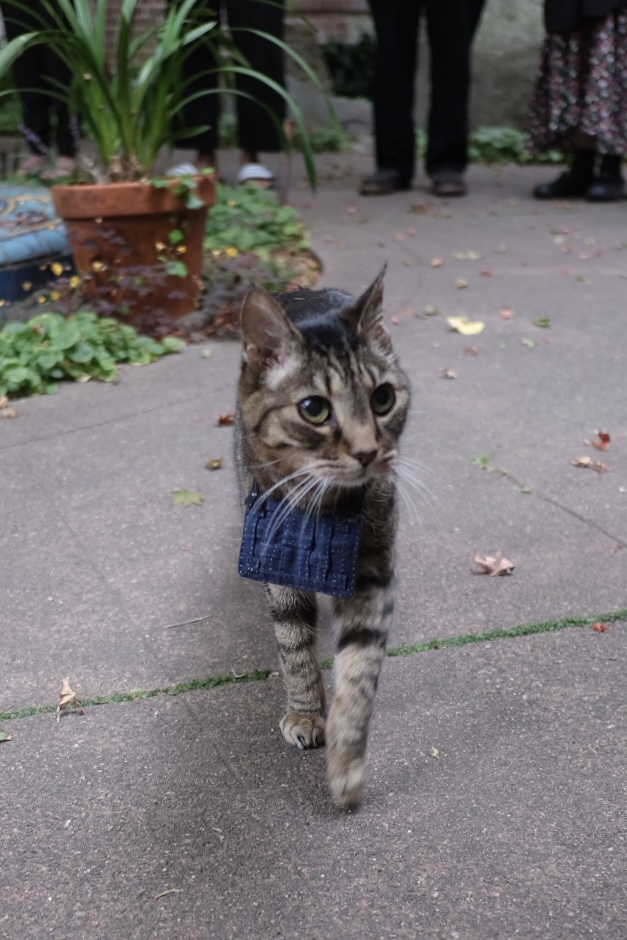
Among other things that have happened this week, Odys, the Tassajara cat, was presented with a rakusu to mark his retirement from the monastery and relocation to the city. He did a jundo of the courtyard while people extolled his praises.


Leave a Reply