
Upcoming dates:
- March 28th.
- April 4th, 10th, 17th, 18th, 26th.
Because of some upcoming travels, there will only be four roams each in May and June.
There’s still an outside chance of rain in the spring, and these may still get rescheduled depending on the forecast. The Meetup page and the Instagram page will have the latest news if there are any changes to the plan.
All weekend roams start at 1:30, lasting around three hours, and Friday ones at 3:00, generally taking two hours. All roams are loops unless otherwise stated; I also flag any longer or especially hilly routes.
Lastly for March, on the 28th, a route that we tried as a Friday roam last year, but which felt a bit rushed over two hours. With the full weekend length available to us, we will also visit a couple more spots that I didn’t get to include.
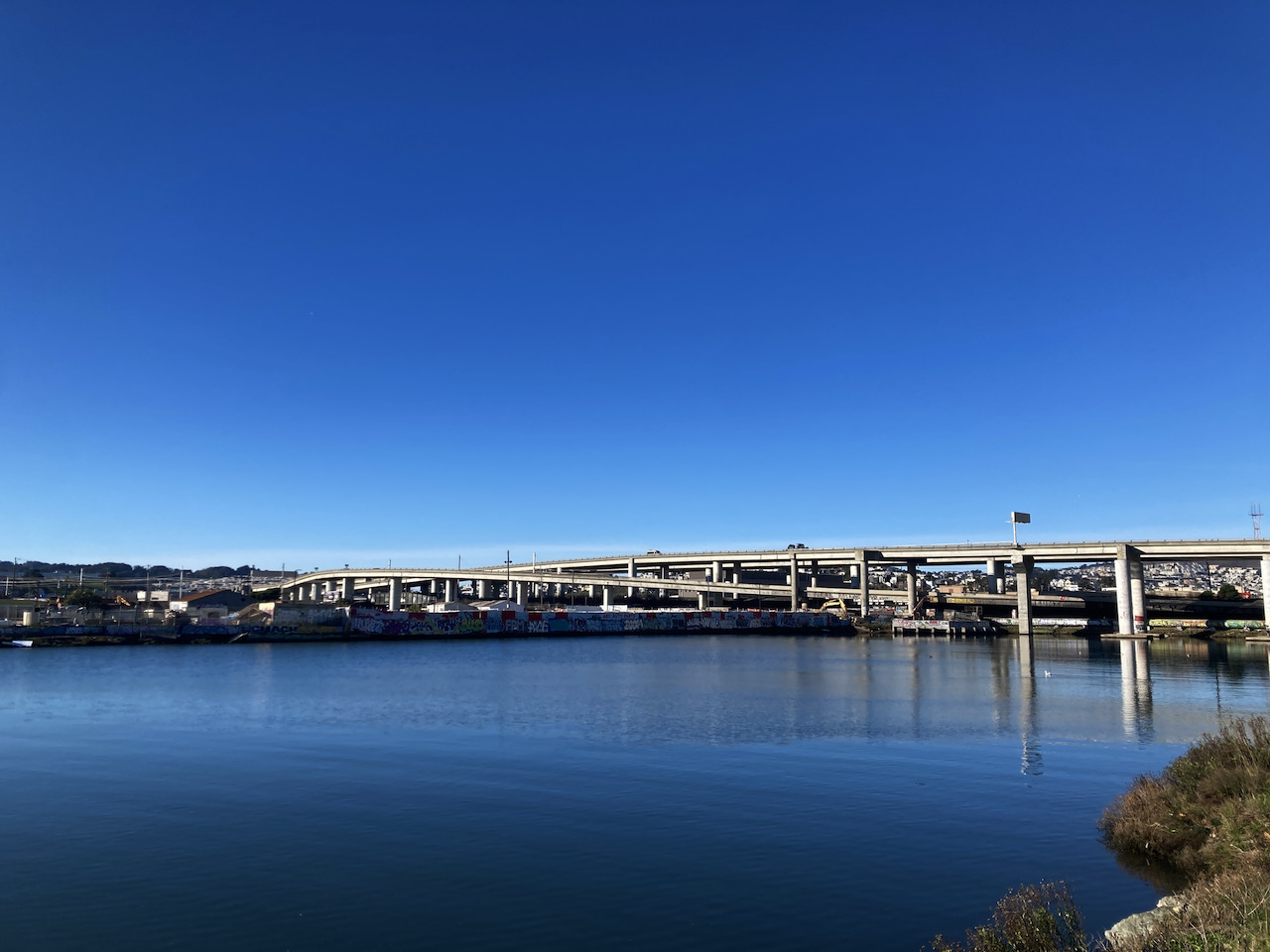
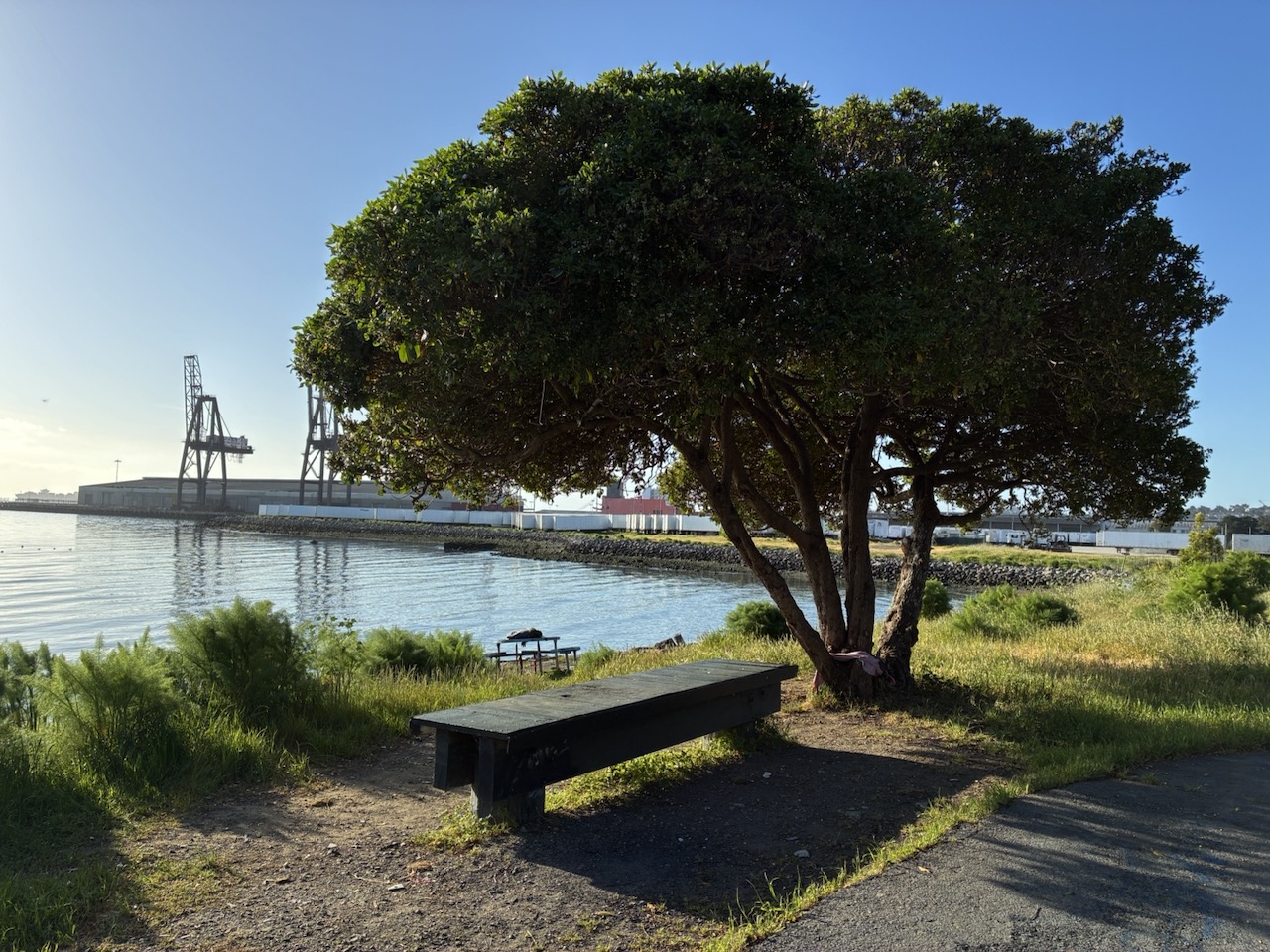
On this roam we explore some of the gardens and open spaces of the Dogpatch. This area may not be transforming as fast as its neighbour, Mission Bay, but there are still improvements being made: there are now proper bathrooms at Crane Cove, and Esprit Park has completed its makeover (sans bathrooms, unfortunately). At the same time, its rich history still pervades the neighbourhood.
There are other green spaces which are more or less spruced up, including the original Tunnel Top park, and the early stages of the Pier 70 renovations to check out.
This is a more or less flat roam with only a couple of uphill blocks, and mostly on pavement. We will meet by Dogpatch Paddle in Crane Cove Park – at the end of the same building as the YMCA.
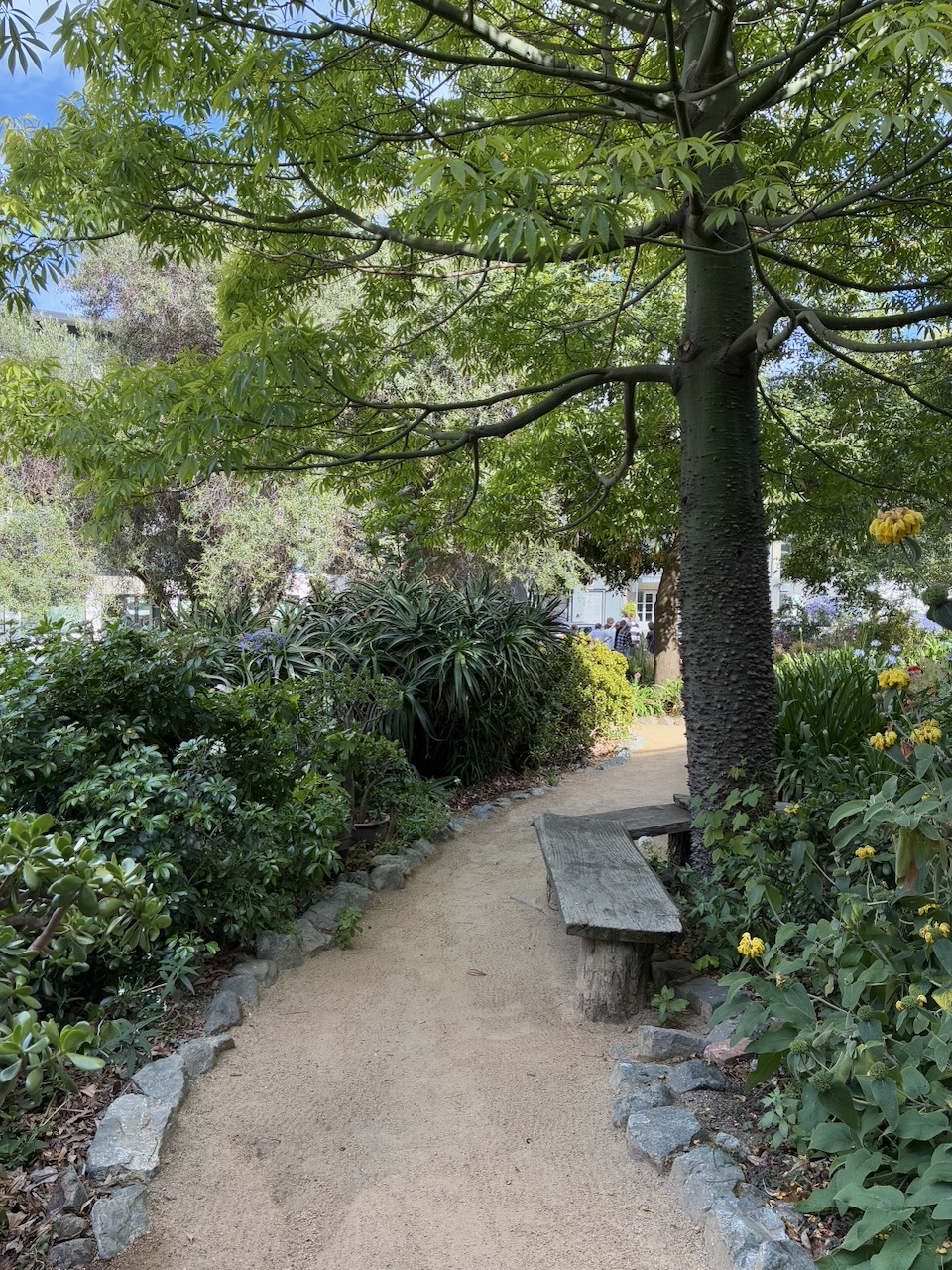
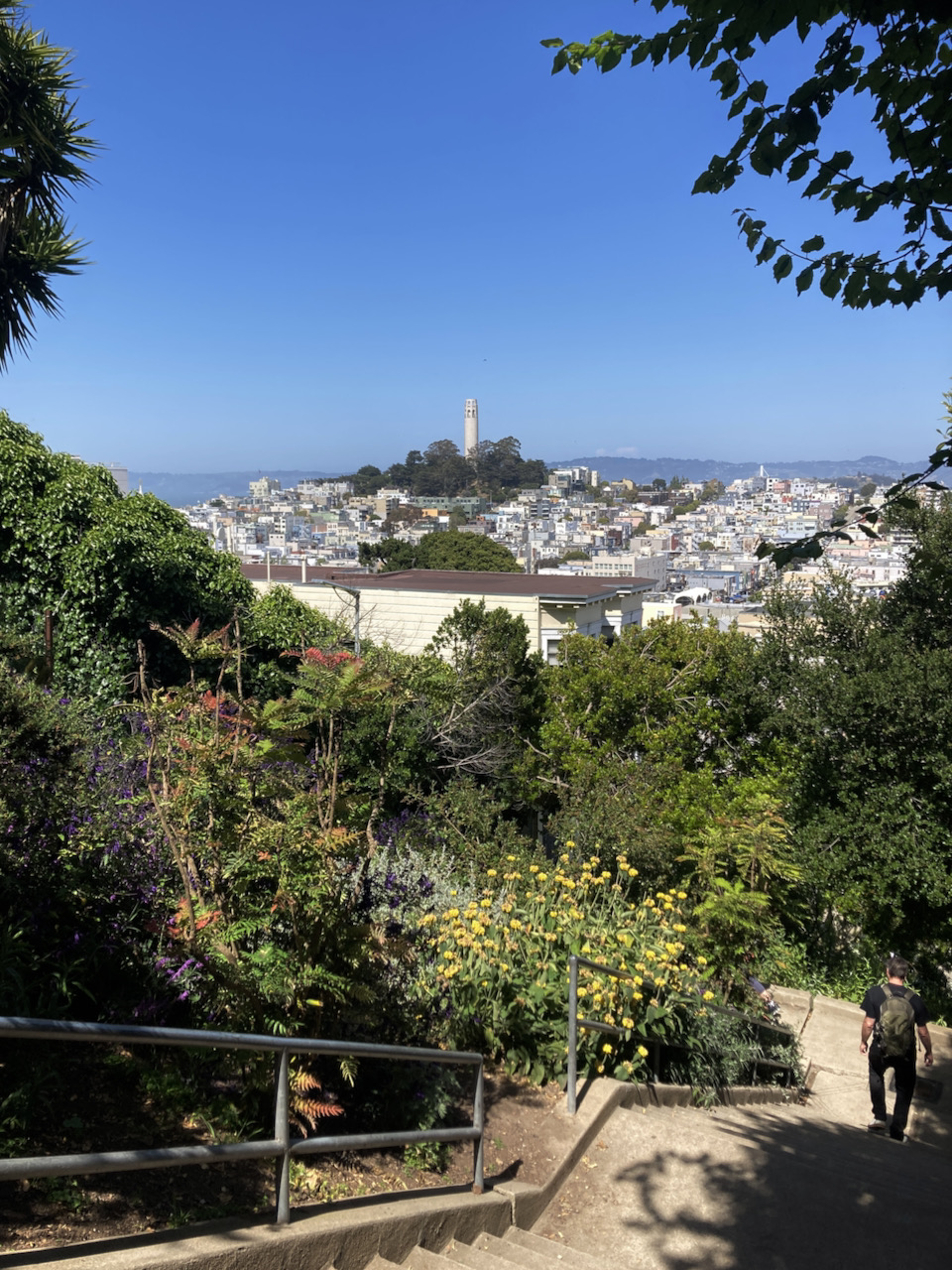
Russian Hill is a staple of Roaming Zen. I like to vary the route slightly, and we will be starting from the North Beach side as we did last time, but we will visit all the highlights of this historic neighbourhood: the views, the alleys, the hidden gardens.
This is a shorter route than some, but we more than make up for distance with the elevation involved. Don’t come if you are not a fan of stairs! We will meet at the North Beach Library, on the Mason St side adjacent to the Joe Di Maggio playground, at 1:30 on April 4th.
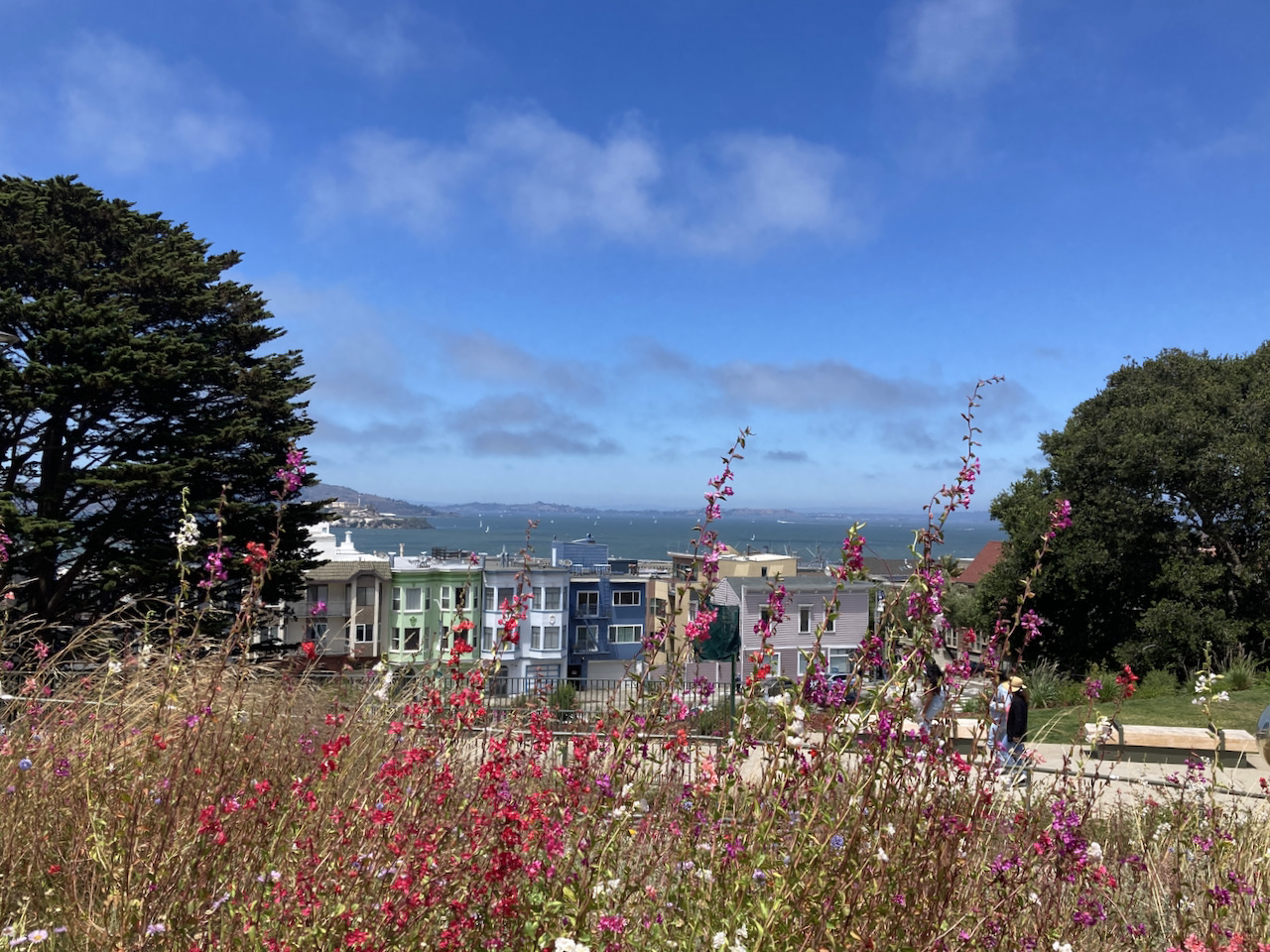
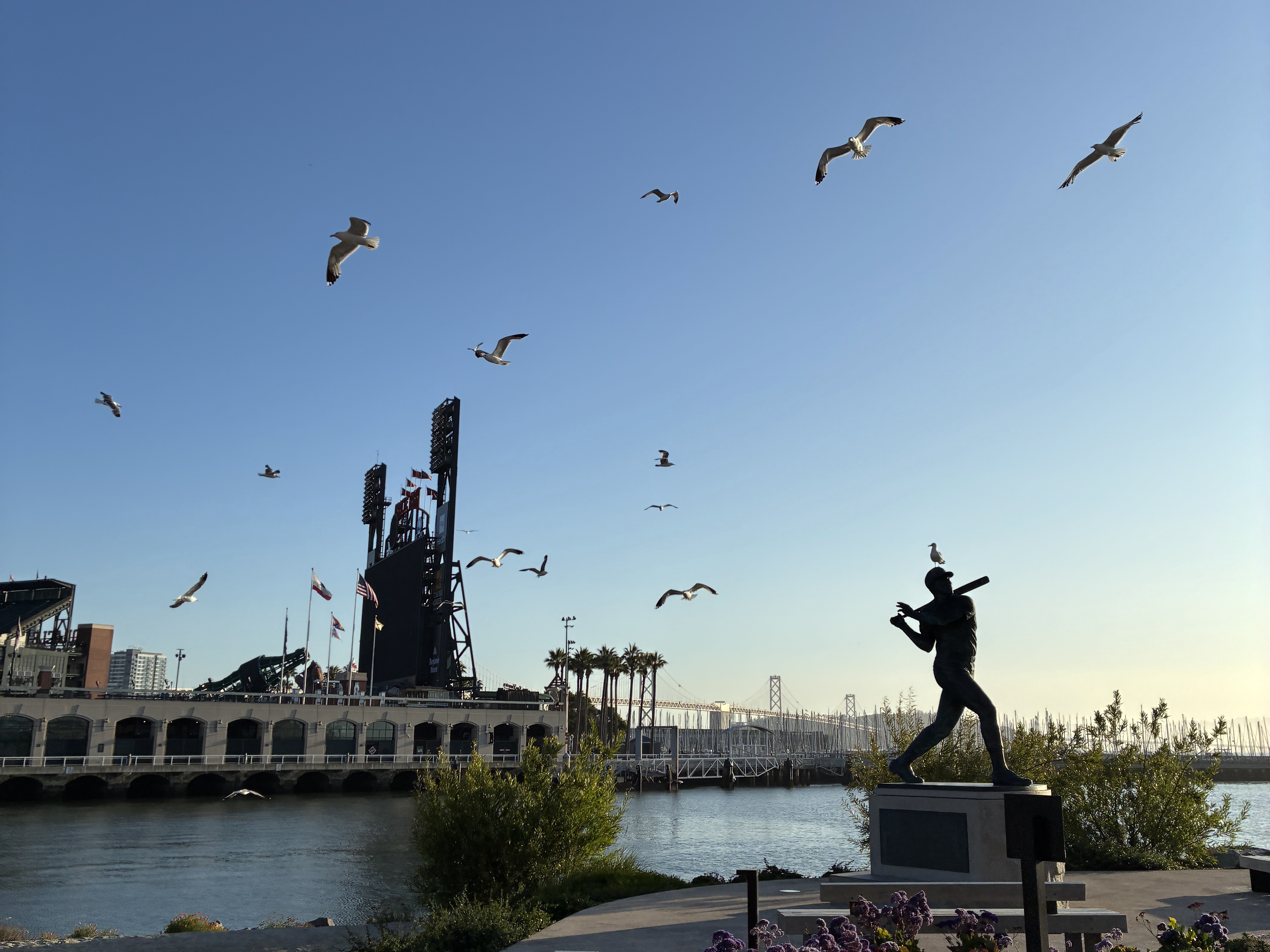
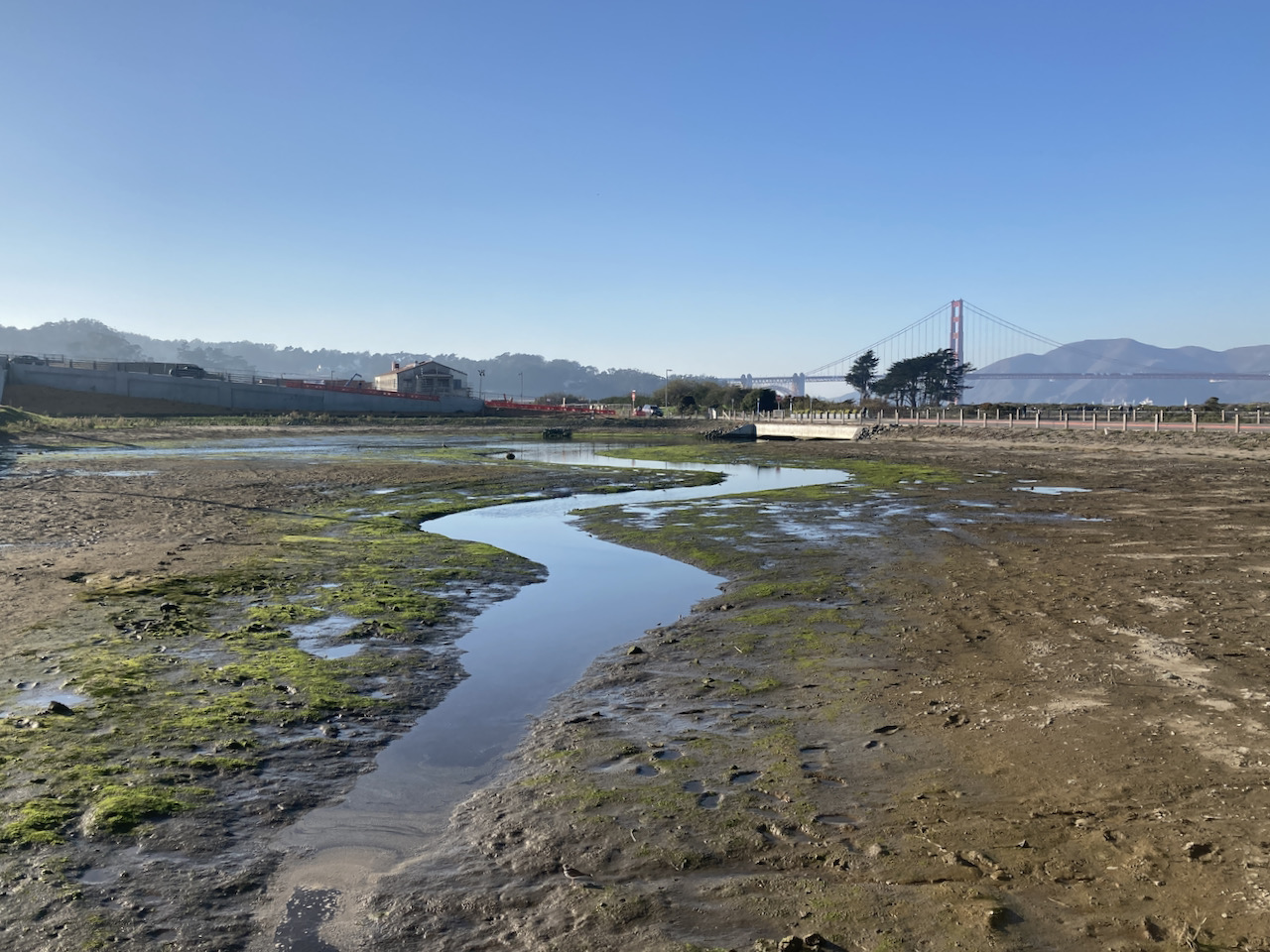
On Friday 10th, we will take a stroll around Mission Bay. This area has transformed over recent years, and there have been new parks and buildings added since we started roaming around here. This is a gentle and flat route, much of it alongside the water – the bay and the remnants of the creek – and a perfect antidote to that Friday rush hour feeling.
We will meet at the Mission Creek Park Pavilion on Channel St. This is the modern building in the park on the south side of the creek between 4th St and the houseboats.
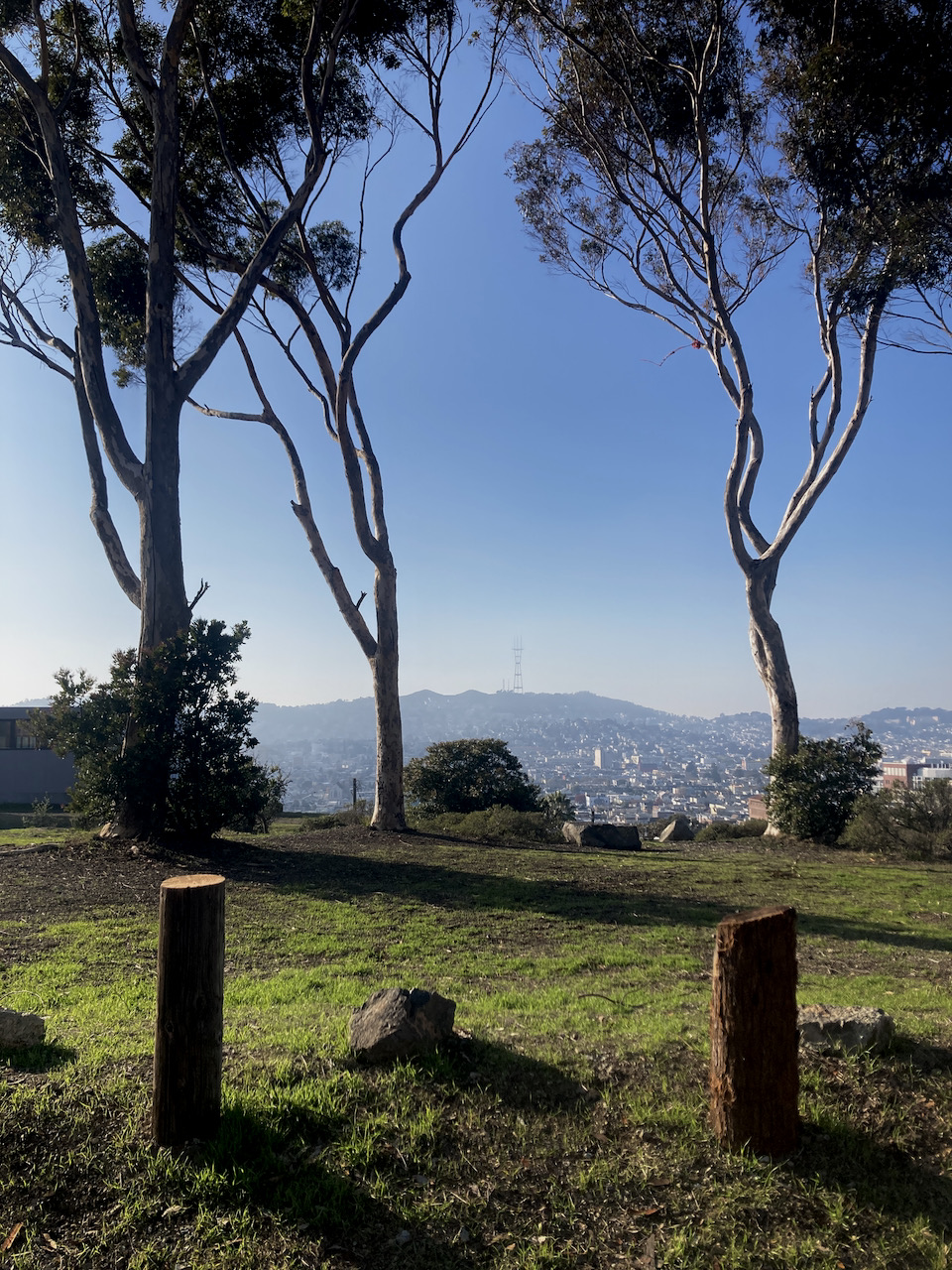
Potrero Hill, like its neighbour Bernal, is not just one hill, but a series of slopes. We have ventured around it a number of times over the years. On Friday 17th, we will do a quick loop, that nonetheless packs in a few steep climbs which take us to the viewpoints, overlooking the bay, and westward across the city.
There are a few blocks of dirt involved as well, so bring good shoes for this one. We will meet at Jackson Square, at the corner of Arkansas and Mariposa, adjacent to the bathrooms.
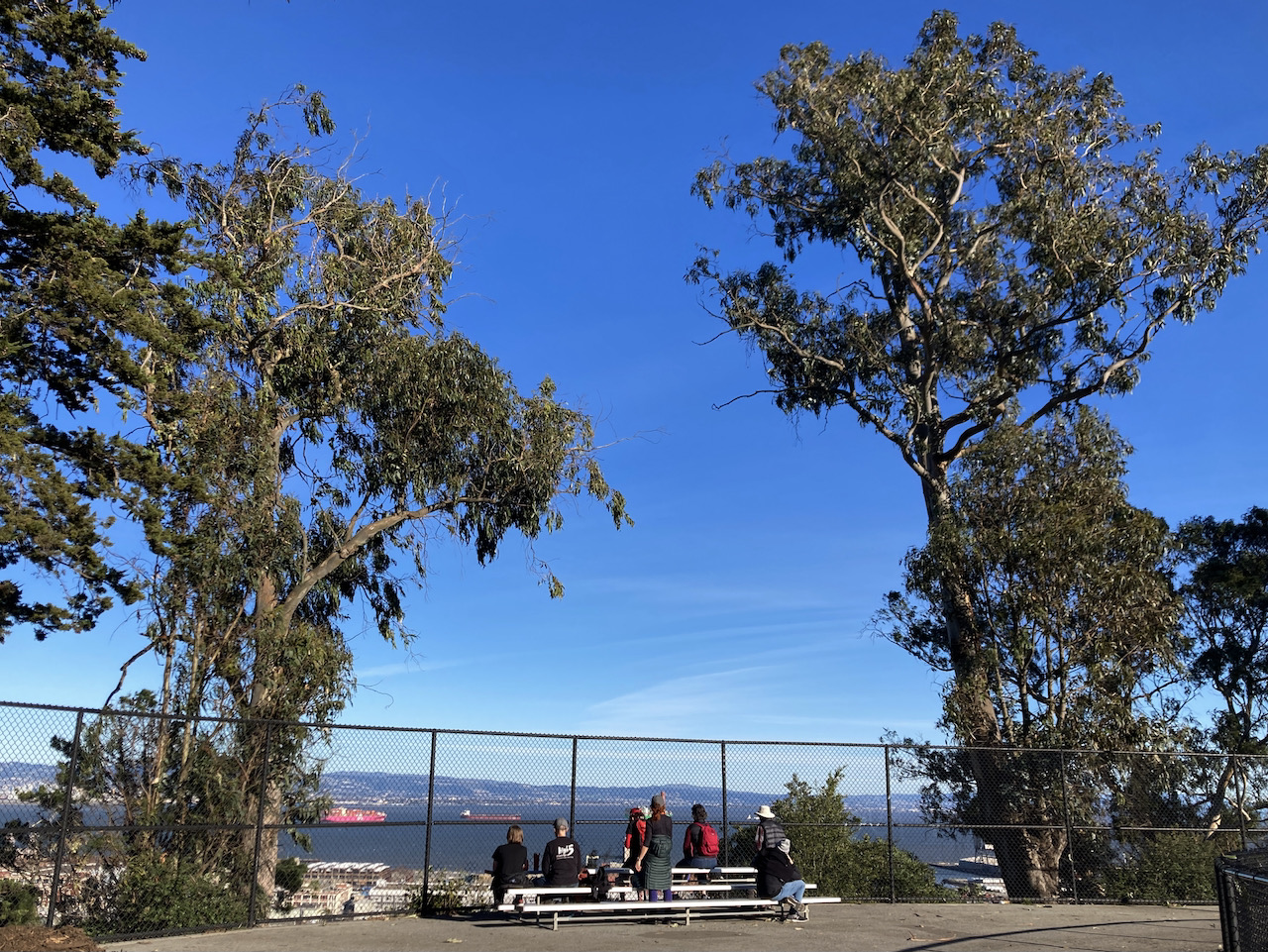
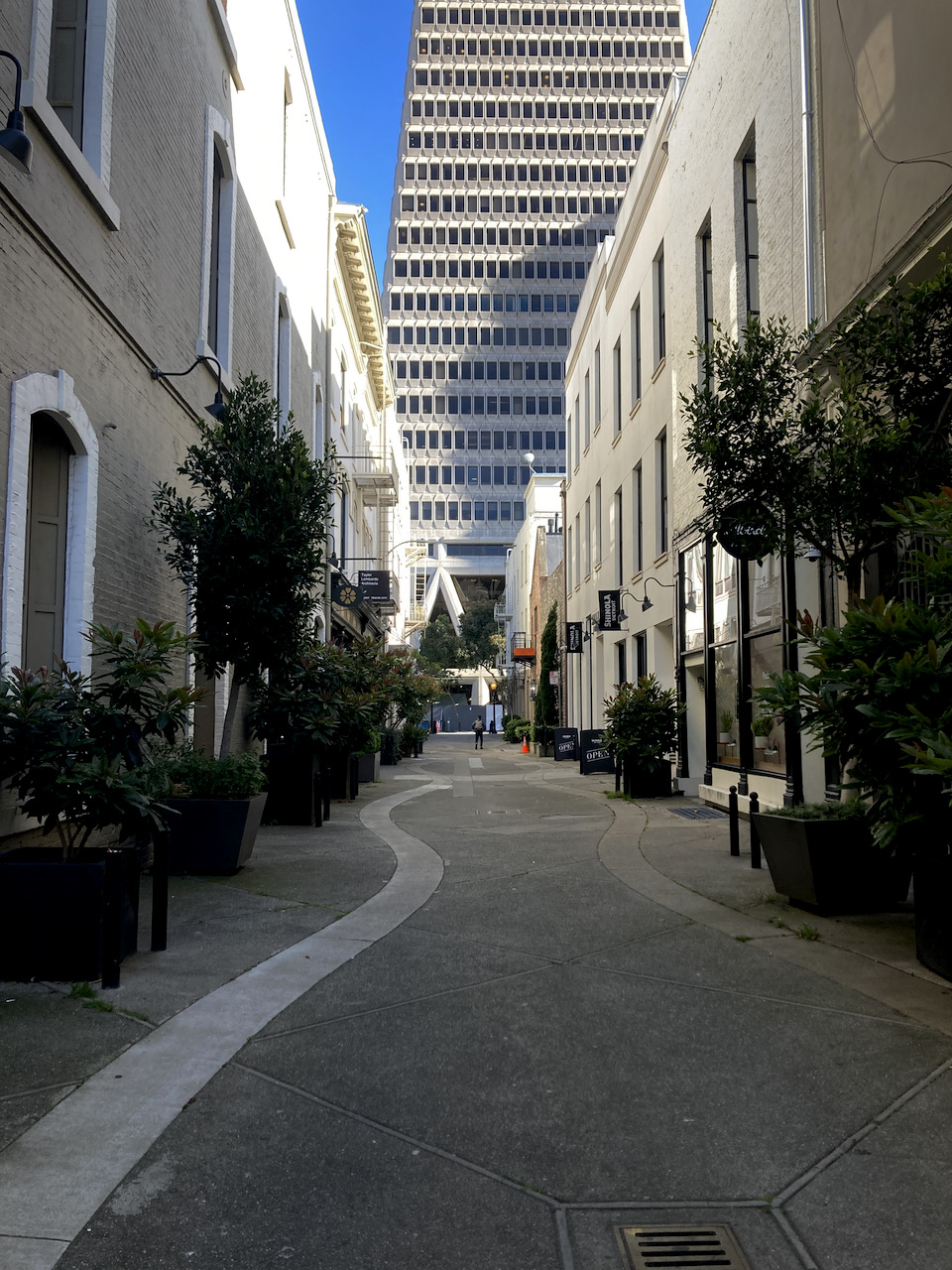
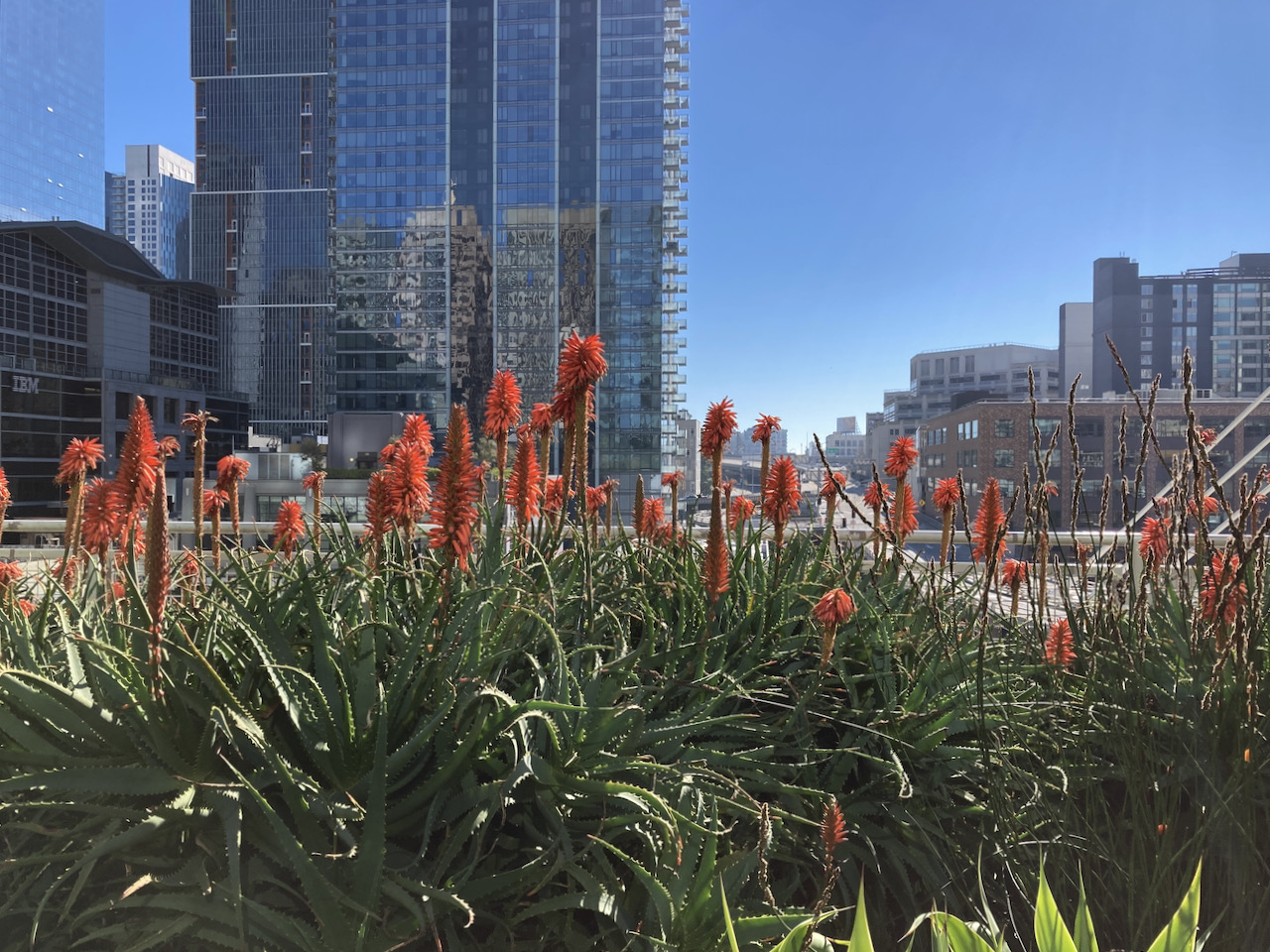
April 18th is the 120th anniversary of the city’s most famous earthquake, so it seemed like a good day to wander around the downtown of today.
We have done a number of POPOS roams now, but always on a Friday so as to be able to access the roof gardens and other spaces that are only open during office hours. But I have wanted to offer a weekend version enjoying the places we can still get to.
We will start in front of the Ferry Building (right by the central entrance) and on our way round across the Financial District and SOMA, we will visit a few favourite spots, reflect on the city’s history, and enjoy the relative quietness of some parts at the weekend.
This roam is mostly flat, though we will venture a few blocks uphill from the old waterfront.
The last roam for April will be on Sunday 26th.
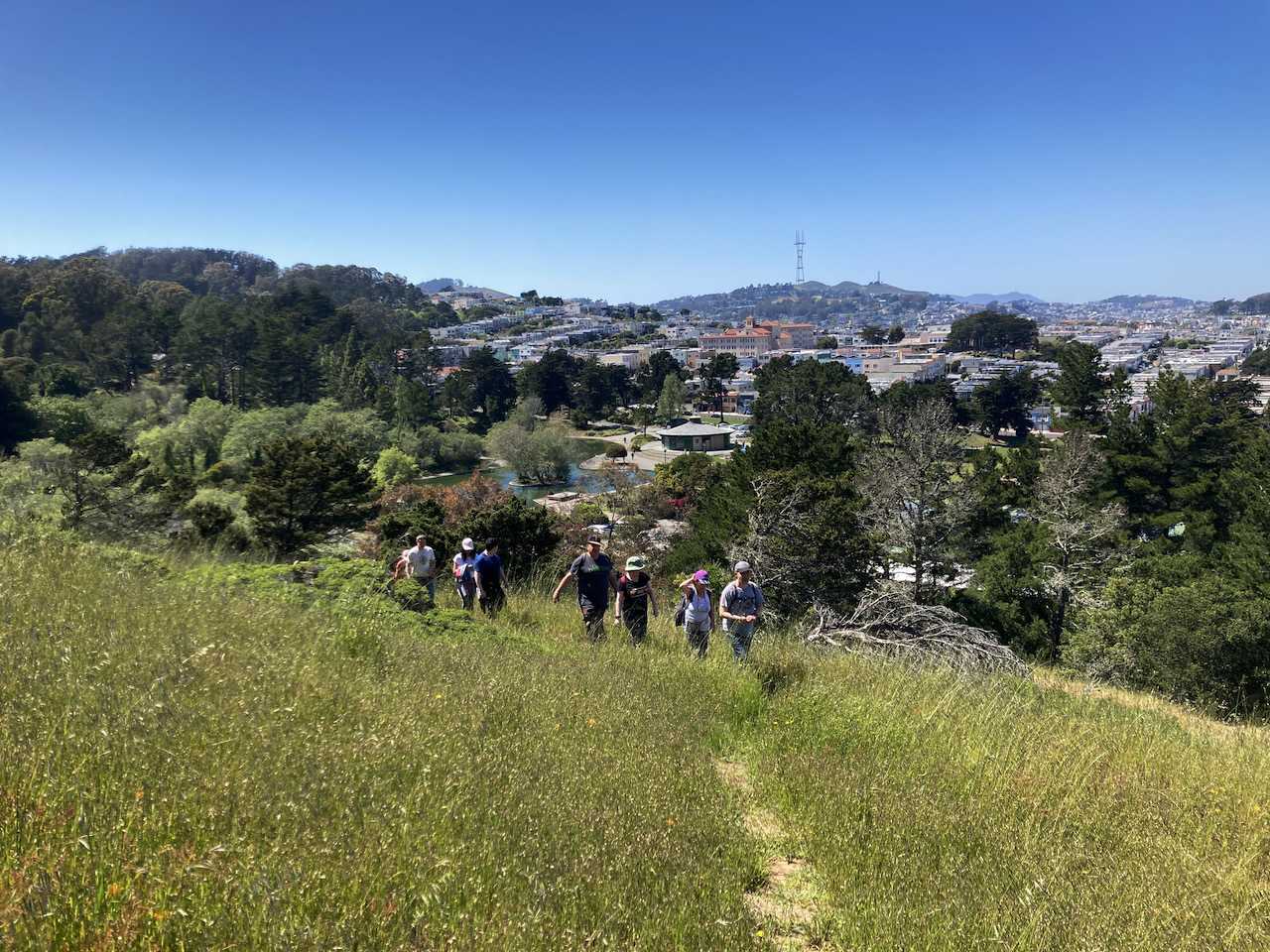
McLaren Park is one of the biggest, and perhaps the least appreciated, open spaces in the city. I had not been there myself until I decided to include it in our roam repertoire just before the pandemic. Now we have visited several times, from different angles.
This time, I wanted to approach from the Portola side – starting at the Palega Recreation Center on Felton St – and including the Goettingen staircase that we visited at the end of last year. We will loop around the northern slopes of the park, which is part of the Yosemite Creek watershed, and naturally we will stop at the water tower as well for the views.
There are several portions of steep climbing on this route, as the park is along a tall spine, and plenty of dirt.
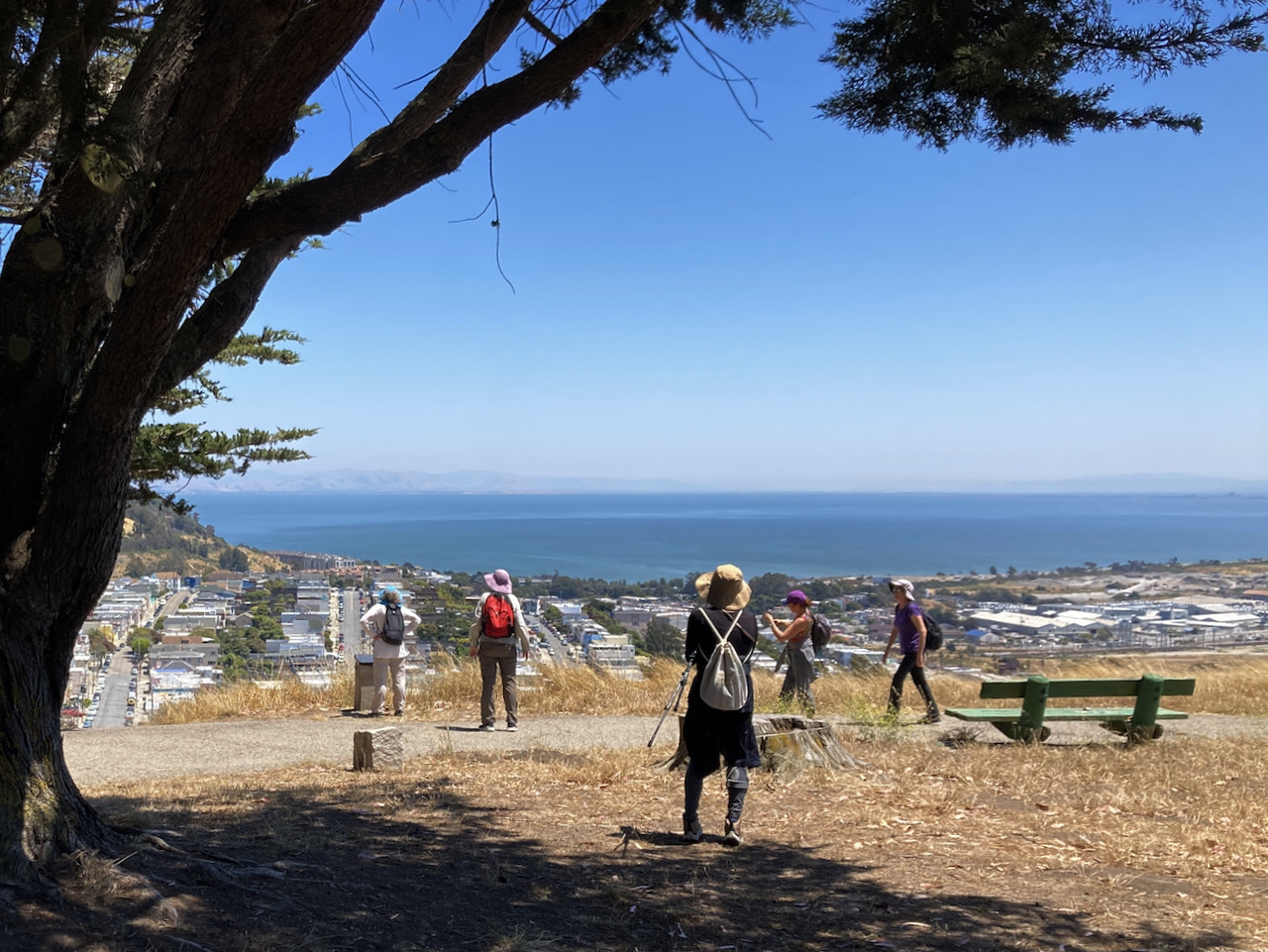
Bring water, snacks, and layers for whatever the weather is doing. Punctuality is always appreciated.
These roams are offered by donation. They are one way I am able to afford to live in San Francisco.
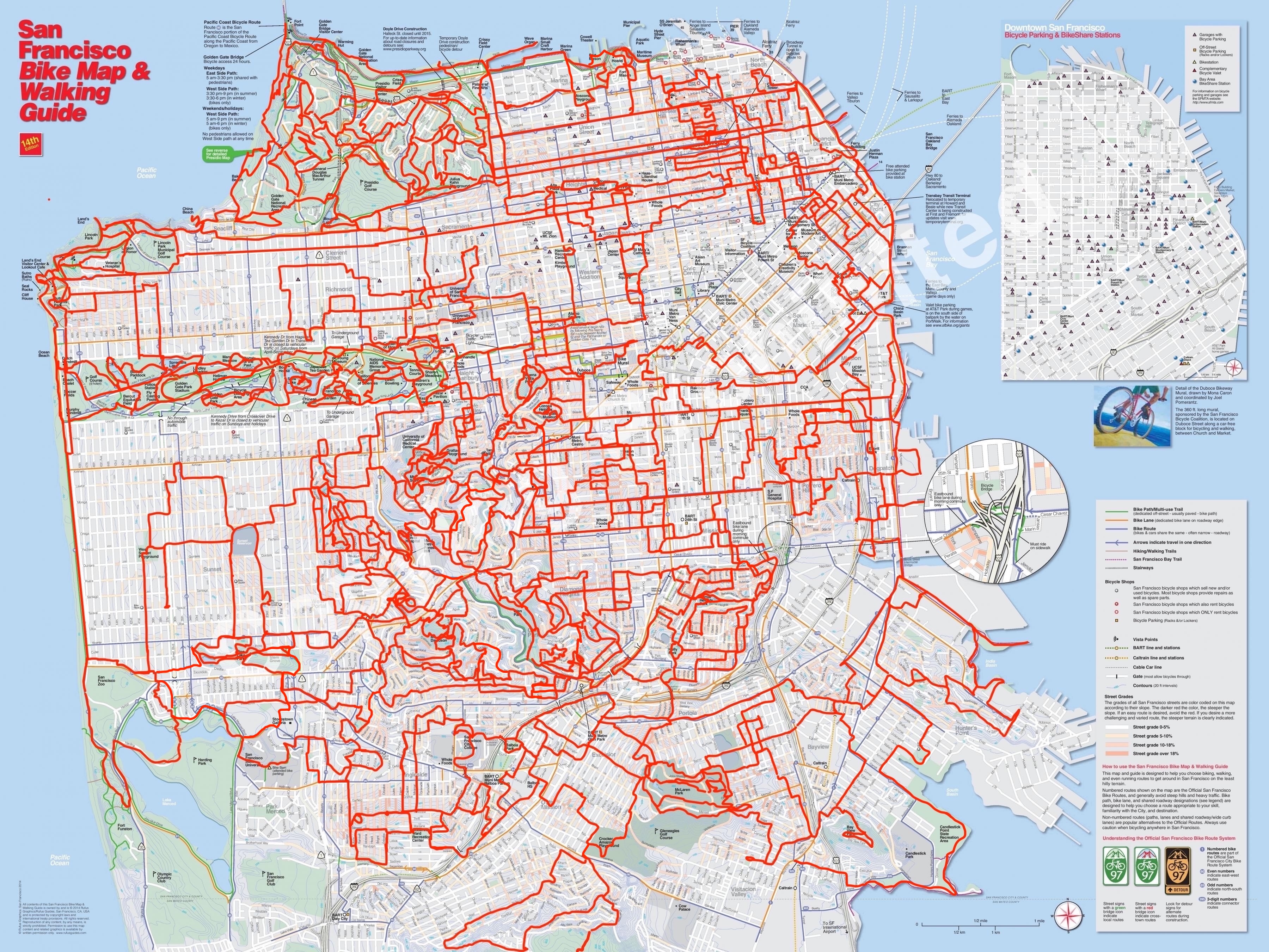
‘Shundo David Haye has probably walked through more parts of San Francisco than you have.’ I’ll take that endorsement – it came from this nice article in the SF Chronicle at the beginning of the pandemic
Camille, who I have known through Zen Center for more than twenty years, had a lovely piece on Roaming Zen published in the Bold Italic.
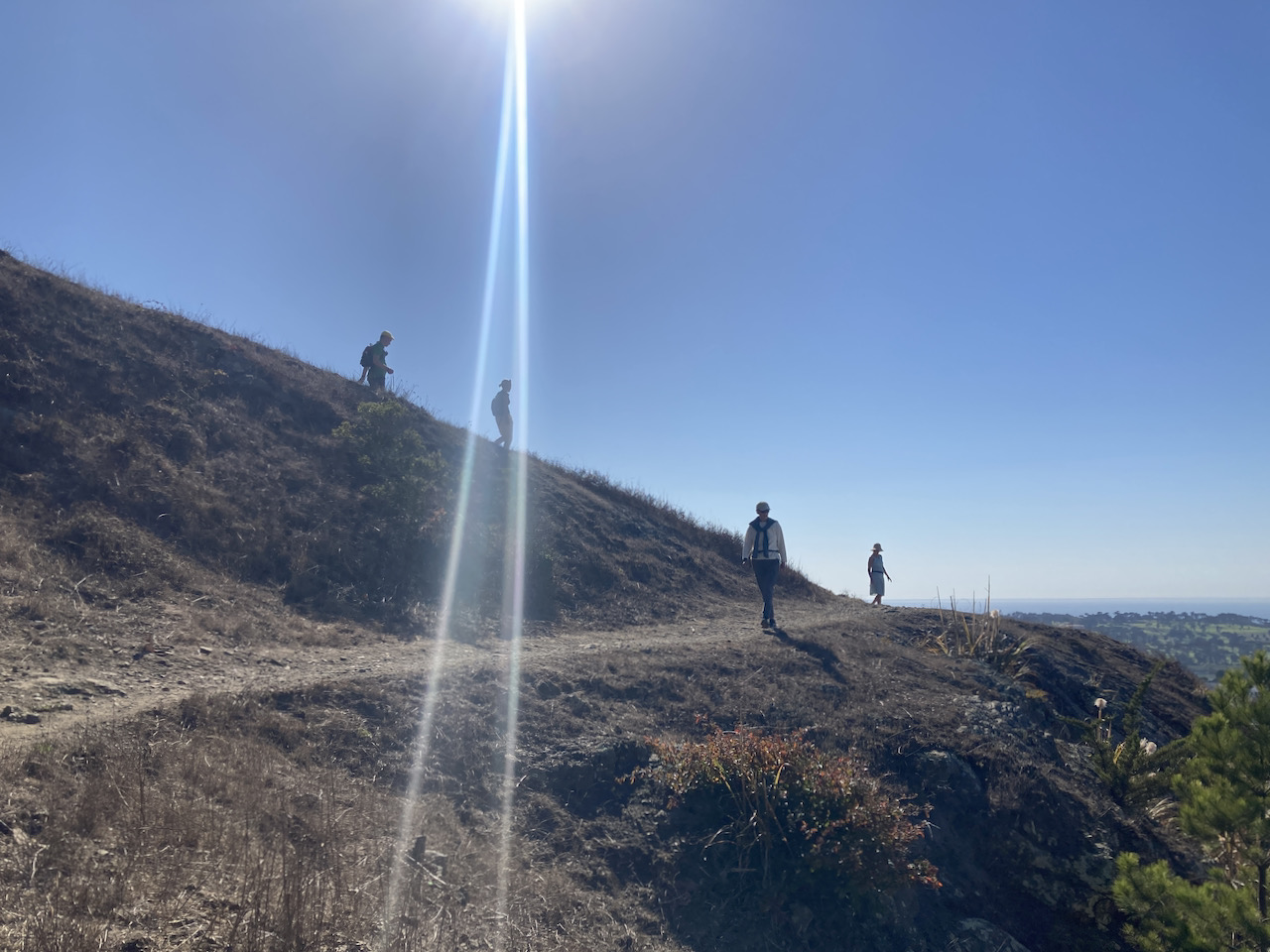
 Corona Heights – the first picture I used to promote Roaming Zen in 2016.
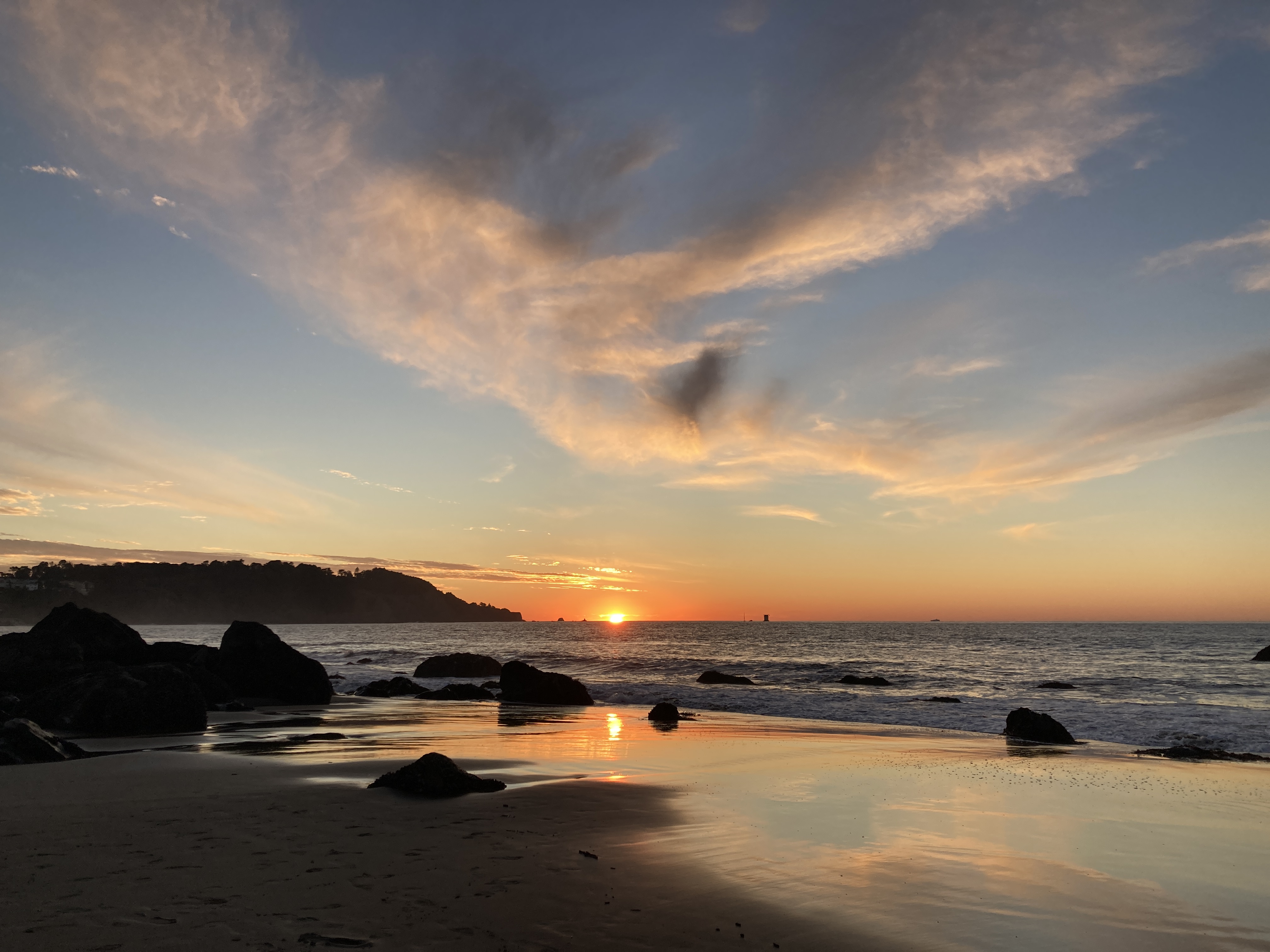
 Views to the Farallones from this little-known park.

If you need some prompts as to the benefits of roaming, here are a trio of articles from the Guardian:
Two-hour ‘dose’ of nature significantly boosts health – study
Woodland sounds help relaxation more than meditation apps – study
Blue spaces: why time spent near water is the secret of happiness
All of which is achievable without leaving the city limits!
And this from the New Yorker:
A small but growing collection of studies suggests that spending time in green spaces—gardens, parks, forests—can rejuvenate the mental resources that man-made environments deplete. Psychologists have learned that attention is a limited resource that continually drains throughout the day. A crowded intersection—rife with pedestrians, cars, and billboards—bats our attention around. In contrast, walking past a pond in a park allows our mind to drift casually from one sensory experience to another, from wrinkling water to rustling reeds.
Or, to put a name to it, Attention Restoration Theory.
The genesis for Roaming Zen was perhaps my shuso practice period at Tassajara in 2012, where I noticed that I derived as much energy from being on the trails or up the road, among the trees and by the creek, as I did from the hours in the zendo. It was also crystalised by a visit to Tassajara with a group from Young Urban Zen a year or two later: after the days of work, a group of us set off for a hike along the Horse Pasture trail, and at one stage, hearing all the talk of people’s pre-occupations and mundane affairs, someone in the group asked if we could all hike in silence for a while and properly take in the surroundings. Afterwards, the agreed verdict was that the silence had transformed the hike.
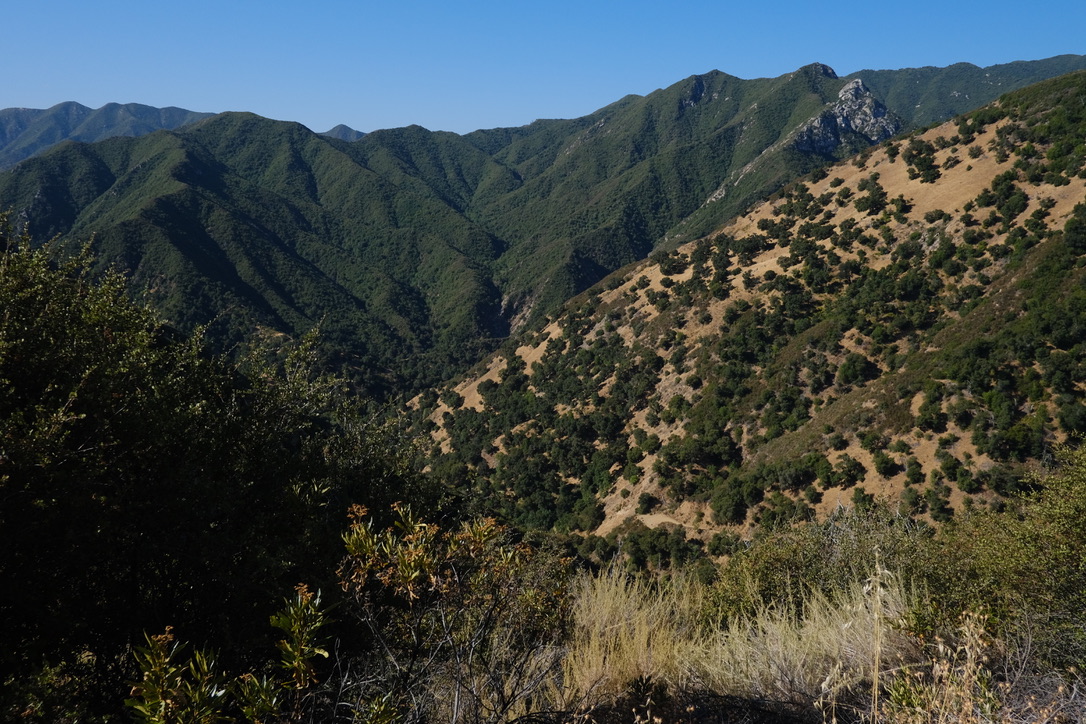
And so, having tried versions of it at City Center, Green Gulch and Tassajara, one of my favourite things to do these days is to gather a small group of people, and lead them around a chosen route, cultivating mindful presence through walking and sitting quietly in the midst of city life.
There are so many little corners of San Francisco that lend themselves to the activity, surrounded by beauty, views, and sometimes quiet. We have visited forests, hills and canyons, creeks and beaches, staircases and alleys, lakes and hidden parks; we have listened to birds and waves, watched butterflies, bees and coyotes, smelled flowers and ocean spray. We have looked over all sides of San Francisco and to the mountains beyond.
I like to give credit to OpenStreetMap, for featuring much more detail in paths and trails than I ever get from Apple Maps or Google Maps – I would not have found some of these routes without it – and FoundSF/OpenSF History for filling me in on what used to be in the places we visit.

 Shundo David Haye - Zen Priest